Social & Behaviour Change
February 4th, 2026
How We Approach BCC
A closer look at what this means in practice
Ankita Mirani, Social Designer and Founder @Social Innovation Studio
Archana A S, Communication Lead @Social Innovation Studio
What’s Inside:
What is behaviour change communication?
Behaviour Change Communication (BCC) is often understood as the way programs inform, influence, or motivate people to adopt certain behaviours.
In many cases, it shows up as a campaign. A set of materials. A layer added after the program design is complete.
In our experience, this is where BCC often loses its power.
At the studio, we approach behaviour change communication as part of program design itself, and shape how problems are understood, how tools are designed, and how change is delivered on the ground. Here is how this shows up in our work.
We begin with behaviour diagnosis, not messaging
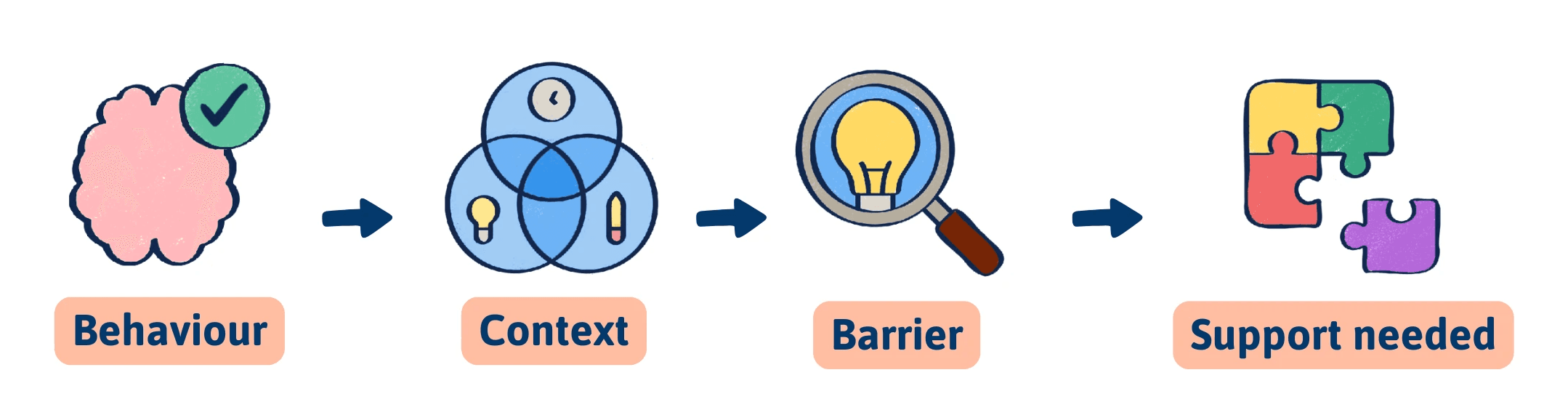
Before any communication is designed, we get precise about the behaviour that needs to change.
This means moving from broad goals like awareness or intention, and asking:
What is the specific behaviour we are trying to enable?
Who needs to perform it?
In what context and at what moment?
What currently makes this behaviour difficult or unlikely?
At this stage, we look closely at:
Individual capability and confidence
Social norms and everyday practices
System and access constraints that shape choices
This diagnostic step helps ensure communication responds to real barriers, not assumed ones.
If you are looking for a comprehensive way to visualise your community landscape with the stakeholders and resources, explore our Ecosystem Map Tool here.
Behaviour change communication is embedded in program design
We do not treat BCC as something that comes after strategy or implementation decisions are made. Instead, it is integrated into how programs are designed.
As we map program journeys and ecosystems, we ask:
Where does communication actually influence decisions
Where does communication fail because services or systems are not ready
What frontline workers need support to explain, reinforce, or sustain behaviours
This ensures communication aligns with delivery realities and does not promise what the programme cannot support.
We co create communication with the people closest to delivery
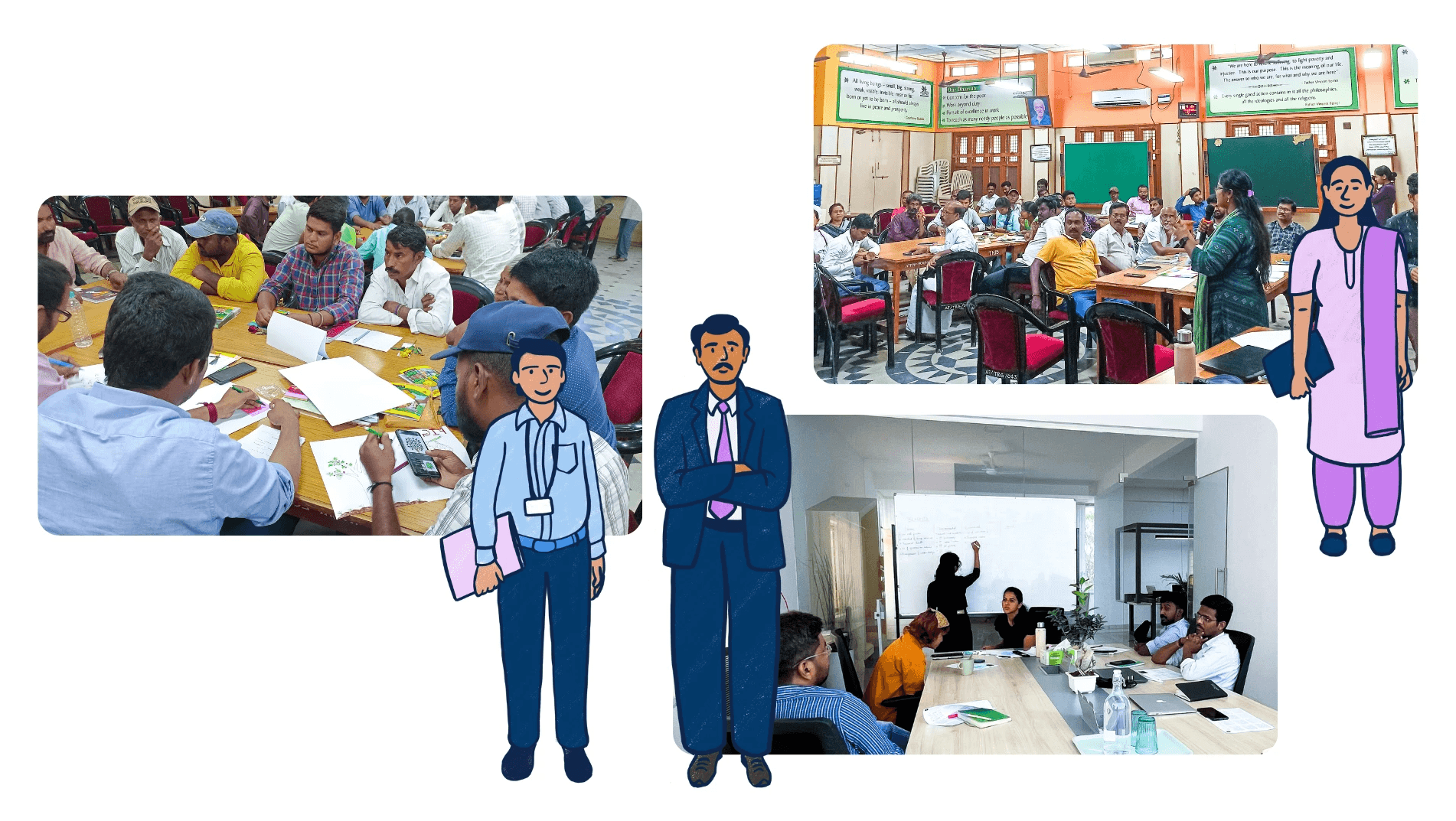
One of the strongest indicators of whether communication will work is whether people can see themselves using it.
That is why we design behaviour change tools with:
Community members
Frontline workers and implementation teams
In practice, this means:
Co-creating early drafts of messages, visuals, or tools
Testing them through conversations, small group discussions, or quick WhatsApp pilots
Observing what resonates, what confuses, and what gets ignored
Co-creation here is not about refining language. It is about ensuring communication fits into daily routines and delivery conditions.
Channels are chosen based on trust, access, and context
Effective behaviour change communication is not about being everywhere. It is about being in the right place.
We choose channels by asking:
Who do people already trust for information
Which channels are accessible and familiar
What formats feel natural rather than effortful
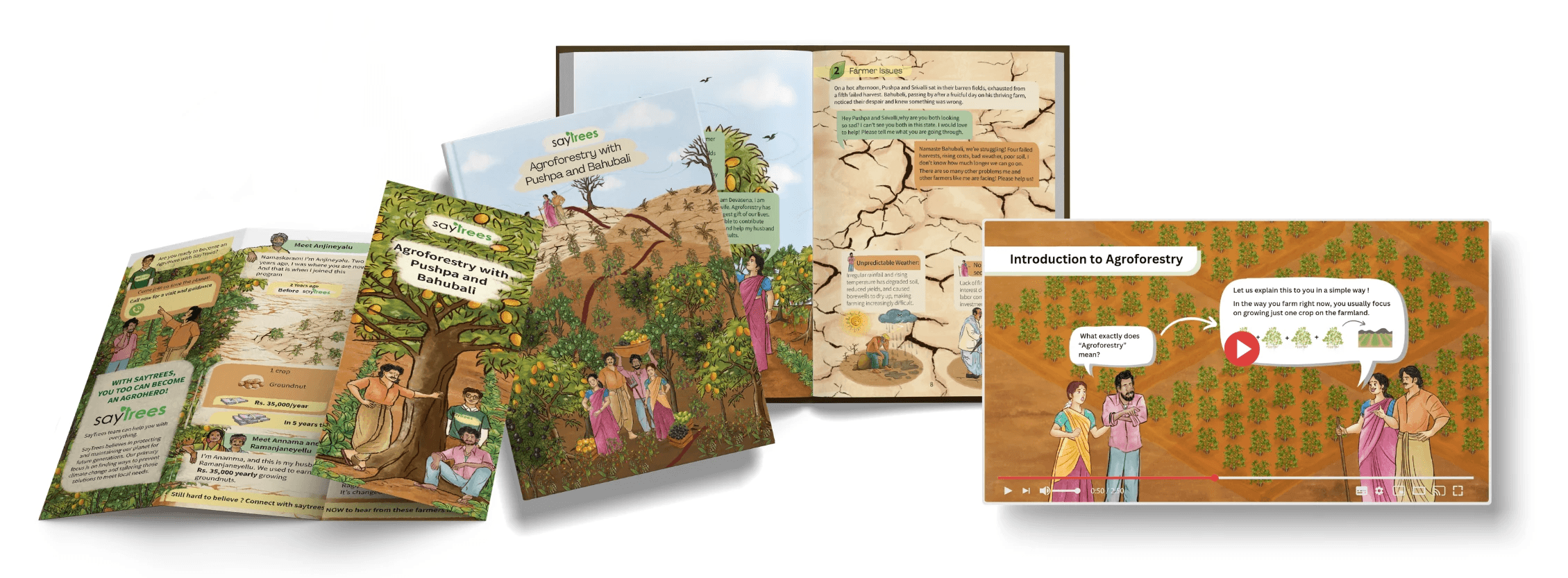
This often leads to simpler, more grounded choices:
Tools designed for frontline workers to carry conversations forward
Formats that fit into existing community spaces rather than new platforms
When communication travels through trusted relationships, it travels further.
Testing and iteration are non-negotiable
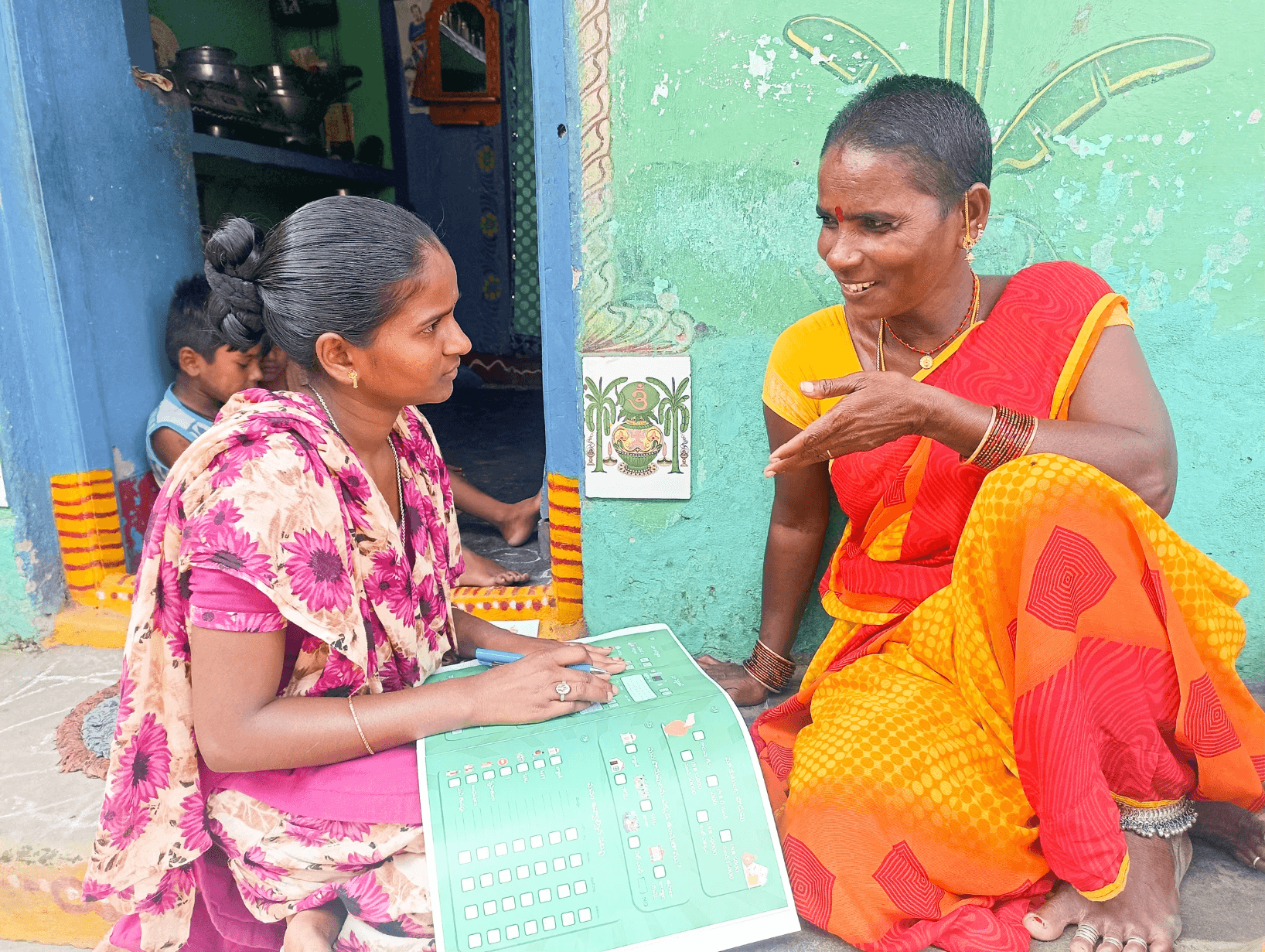
No behaviour change tool moves forward without being tested in real conditions.
We assess:
How easy it is for frontline workers to deliver
How clearly communities understand the message
Whether the tool reduces friction or adds to it
Based on this, we iterate on content, format, and flow. If a tool is difficult to use, it will not last. Testing is not a final step. It is part of the design.
What this approach enables
Across programs, this way of working helps us:
Design communication that supports action, not just awareness
Reduce burden on frontline workers
Increase relevance and trust for communities
Align behaviour change efforts with system realities
Because behaviour change communication works best when it fits into real lives and real programs.