Social & Behaviour Change
August 8th, 2025
How India Shifted Sanitation Norms at Scale
A behavioural-science lens on Swachh Bharat Initiative
Ankita Mirani, Social Designer and Founder @Social Innovation Studio

What’s Inside:
Why Sanitation Needed a Behaviour Change Approach
In 2014, India launched the Swachh Bharat Abhiyan to address poor sanitation and widespread open defecation. But national reports showed something extensive: the barrier wasn’t exactly about infrastructure. It was the deep-rooted cultural, emotional, and social dynamics shaping sanitation practices.
This was not a challenge that policies alone could solve. It needed a clear understanding of human behaviour:
Why people choose long-held habits even when alternatives exist
How community norms influence personal decisions
How messages land differently depending on who delivers them
This made Swachh Bharat a powerful example of behaviour science in action, especially through frameworks like MINDSPACE. How did they do it? Let’s dive into the behaviour science behind this historic shift.
How MINDSPACE Guided Large-Scale Sanitation Change
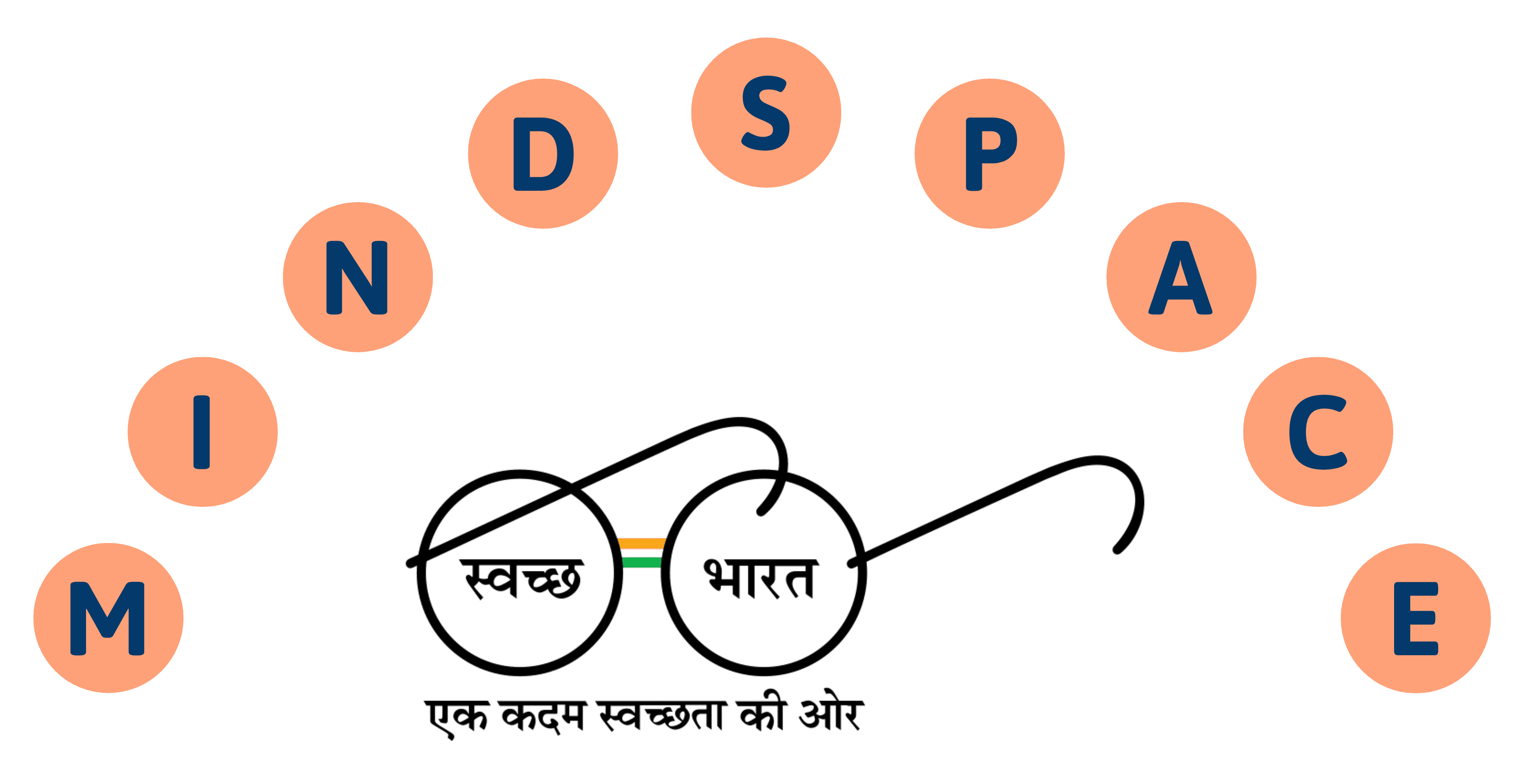
The MINDSPACE framework highlights nine influences that shape everyday behaviour: Messenger, Incentives, Norms, Defaults, Salience, Priming, Affect, Commitments and Ego.
Swachh Bharat subtly embedded many of these into its strategy:
Trusted Messengers
Influential figures, the Prime Minister, actors, sports icons, and village sarpanches communicated the message, improving credibility and uptake.
Strong Social Norms
Cleanliness drives, school activities, and community events shifted toilet use from a private decision to a collective movement. People saw sanitation becoming “what everyone does here”.
Public Commitments
Families, schools, and panchayats made hygiene pledges, reinforcing accountability and building long-term ownership.
These nudges made sanitation feel relevant, aspirational, and socially reinforced — far more effective than instructions or infrastructure alone.
The Bigger Picture: Sanitation as a Social Value
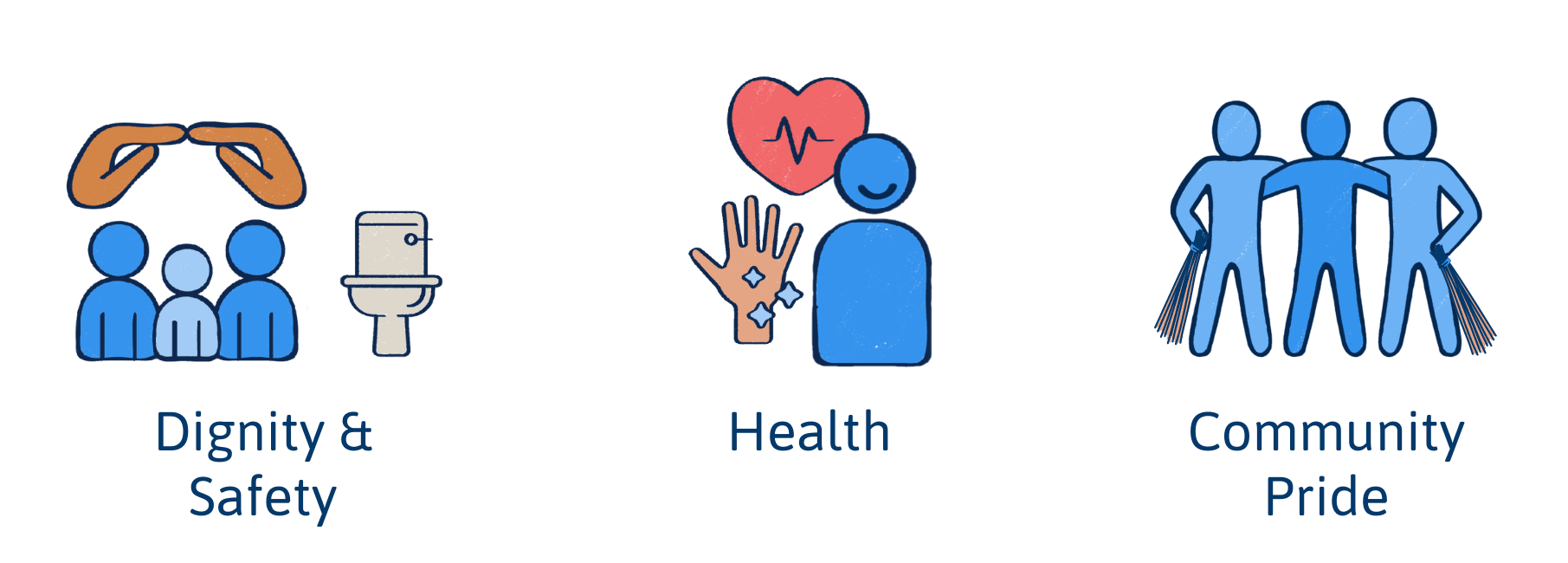
Swachh Bharat reframed sanitation not just as a policy, but as a matter of dignity, safety, and health:
Dignity & Safety: Women’s vulnerability during open defecation reframed toilets as a matter of protection and respect.
Health: “Swachh Bharat, Swasth Bharat” linked toilets to disease prevention and child survival.
Community Pride: Schools, frontline workers, and youth ambassadors turned sanitation into a shared identity.
The campaign created an emotional shift so people began believing in cleanliness as a social value.
What Actually Changed On-Ground
The results reflect what becomes possible when behavioural drivers and strong delivery systems meet:
110 million toilets built across India
Sanitation coverage rose from 39% to 100% (Government data)
Sharp decline in diarrhoeal diseases and child stunting in high-adoption areas
Key insight: When the norm changes, everything changes. Social proof is a powerful lever; when people see their peers adopting new behaviours, change spreads faster and sticks longer.
Behaviour Change is a Slow, Social Process
The Swachh Bharat experience reminds us that lasting behaviour change comes from working with people’s realities, by making desired actions visible, socially reinforced, emotionally meaningful, and easy to adopt.
For any programme seeking similar transformation in health, livelihoods, gender, or education the lesson is clear: Design for human behaviour first. Infrastructure and awareness follow.