Social & Behaviour Change
October 20th, 2025
How Behaviour Science Helped End Polio in India
A story of trust and psychology driving health transformation
Ankita Mirani, Social Designer and Founder @Social Innovation Studio
Archana A S, Communication Lead @Social Innovation Studio
What’s Inside:
Introduction
India’s journey from nearly 200,000 polio cases a year to zero is one of the most extraordinary public health achievements in modern history. While vaccines made eradication technically possible, the real victory came from understanding people's fears, beliefs, motivations, and the social structures that shaped their decisions.
This blog explores how behavioural science helped shift mindsets, turn hesitation into acceptance, and build one of the largest community mobilisation movements ever recorded. For anyone designing health, social, or community programmes, this case offers practical insights that remain relevant even today.
Why Vaccines Alone Weren’t Enough
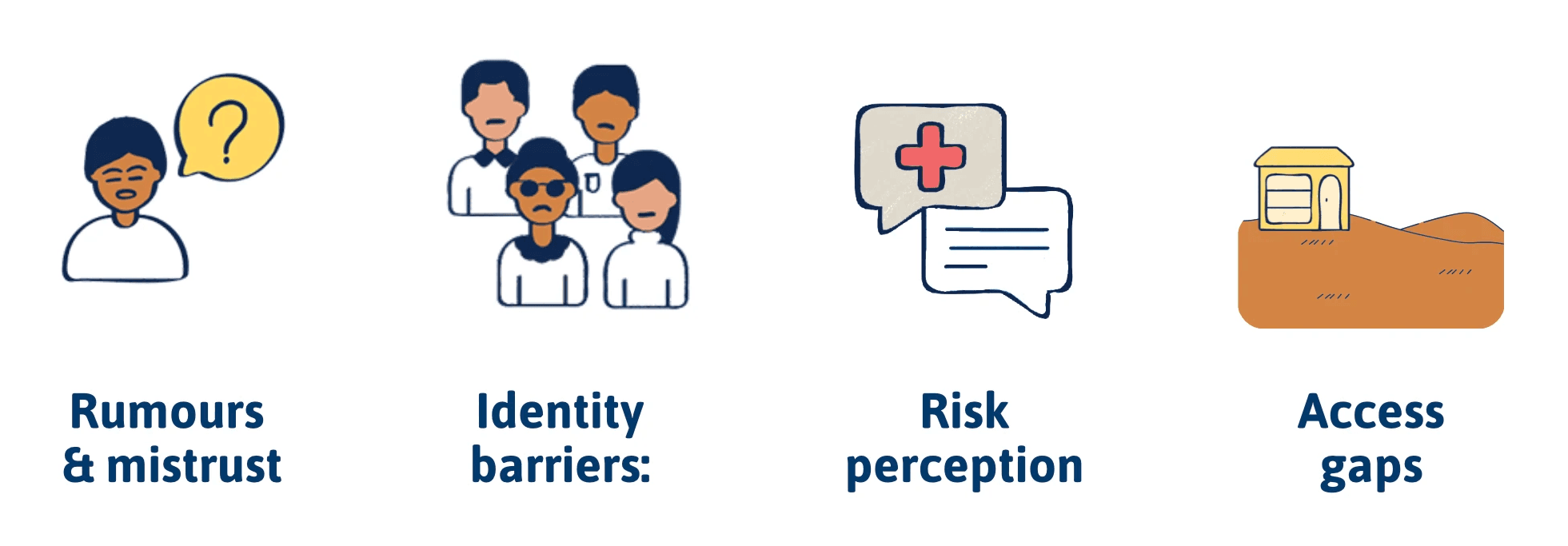
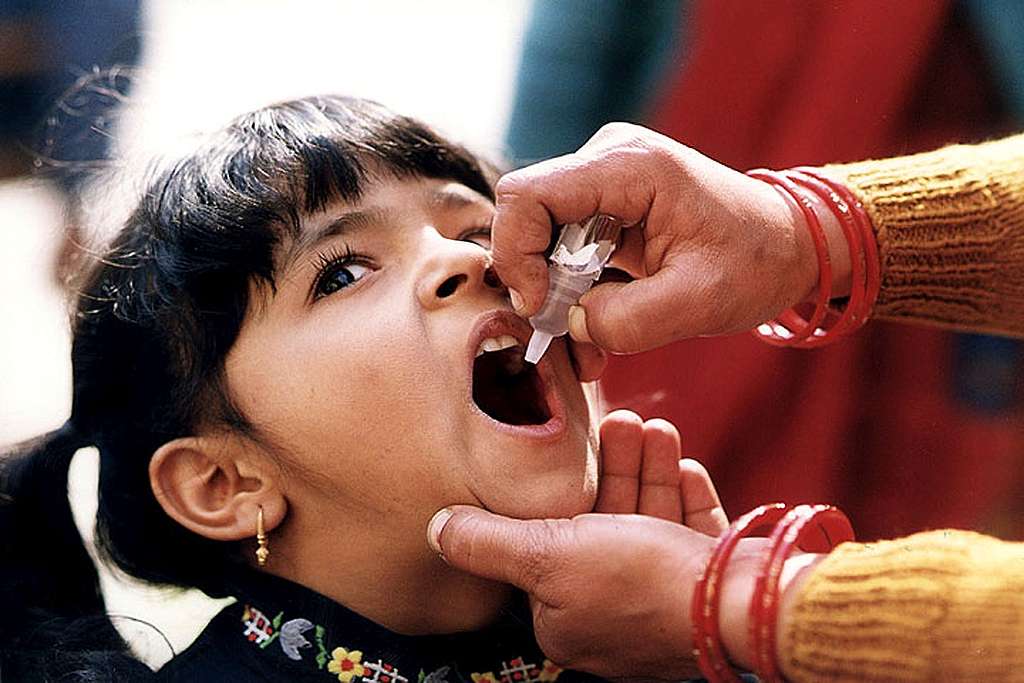
Even when vaccines were free and accessible, many families refused them. The reasons were deeply behavioural:
Rumours & mistrust: Fears of infertility, conspiracy theories, and hidden agendas.
Identity barriers: Some communities resisted “outsider-led” programmes.
Risk perception: Families feared visible side effects more than the invisible risk of polio.
Access gaps: Migrant, nomadic, or remote households were frequently missed.
More doses and more vaccinators couldn’t fix what was essentially a trust-and-perception problem.
Behavioural Science Levers That Worked
India’s success came from directly addressing these barriers using behavioural insights that made vaccination feel personal, local, and expected.
Micro-planning & Social Mobilisation
The Social Mobilisation Network (SMNet) began in Uttar Pradesh (2003) and expanded to Bihar (2011). Frontline workers mapped every household, tracked missed children, and conducted follow-ups, building accountability and trust through repeated, personal interactions.
Trusted Messengers (Messenger)
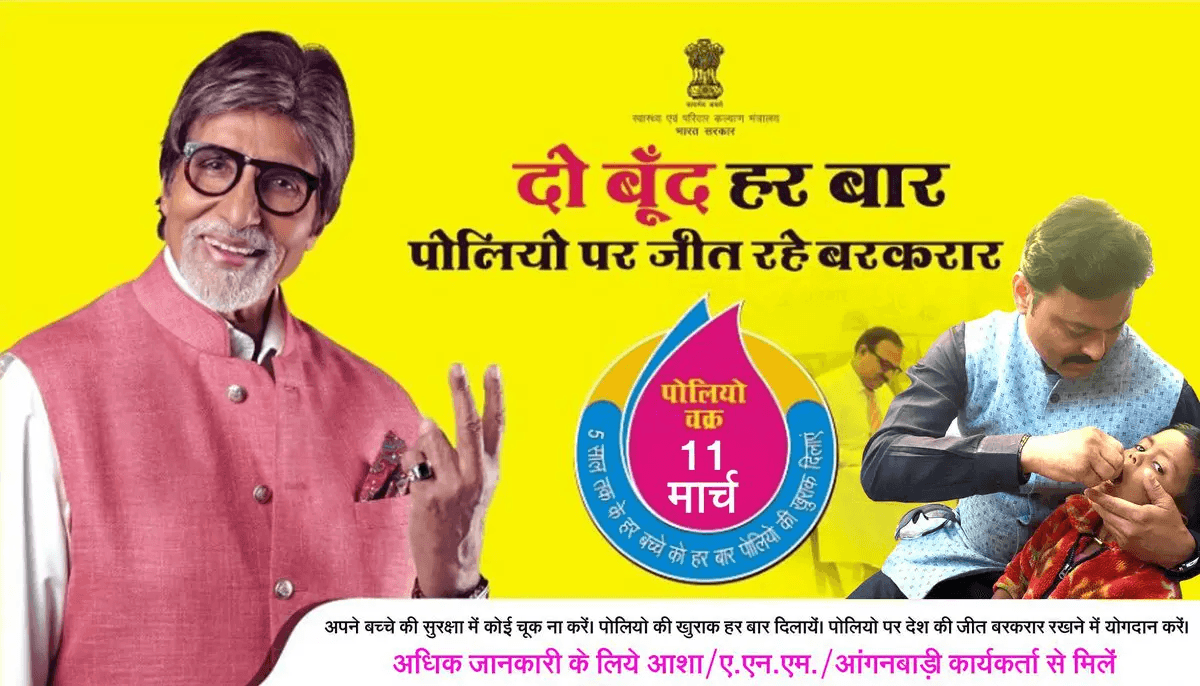
Religious leaders, barbers, community elders, and Bollywood icons reframed vaccination as an act of protection and pride, making the message both credible and culturally grounded.
Emotional Storytelling (Affect)
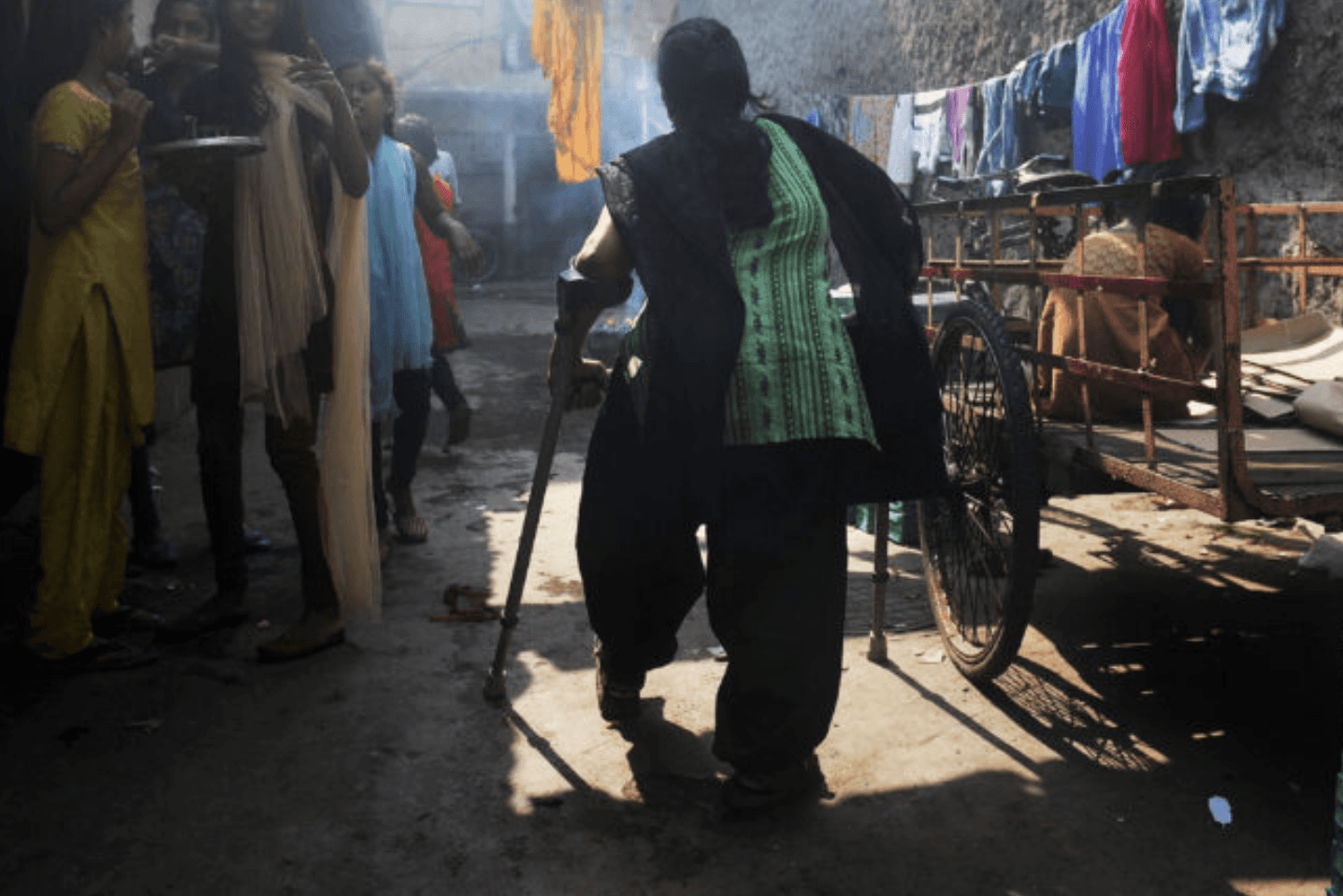
Image Source: DIBYANGSHU SARKAR/AFP via Getty Images
Survivor stories made the invisible risk “visible.” This increased perceived severity and urgency.
Identity & Pride (Ego)
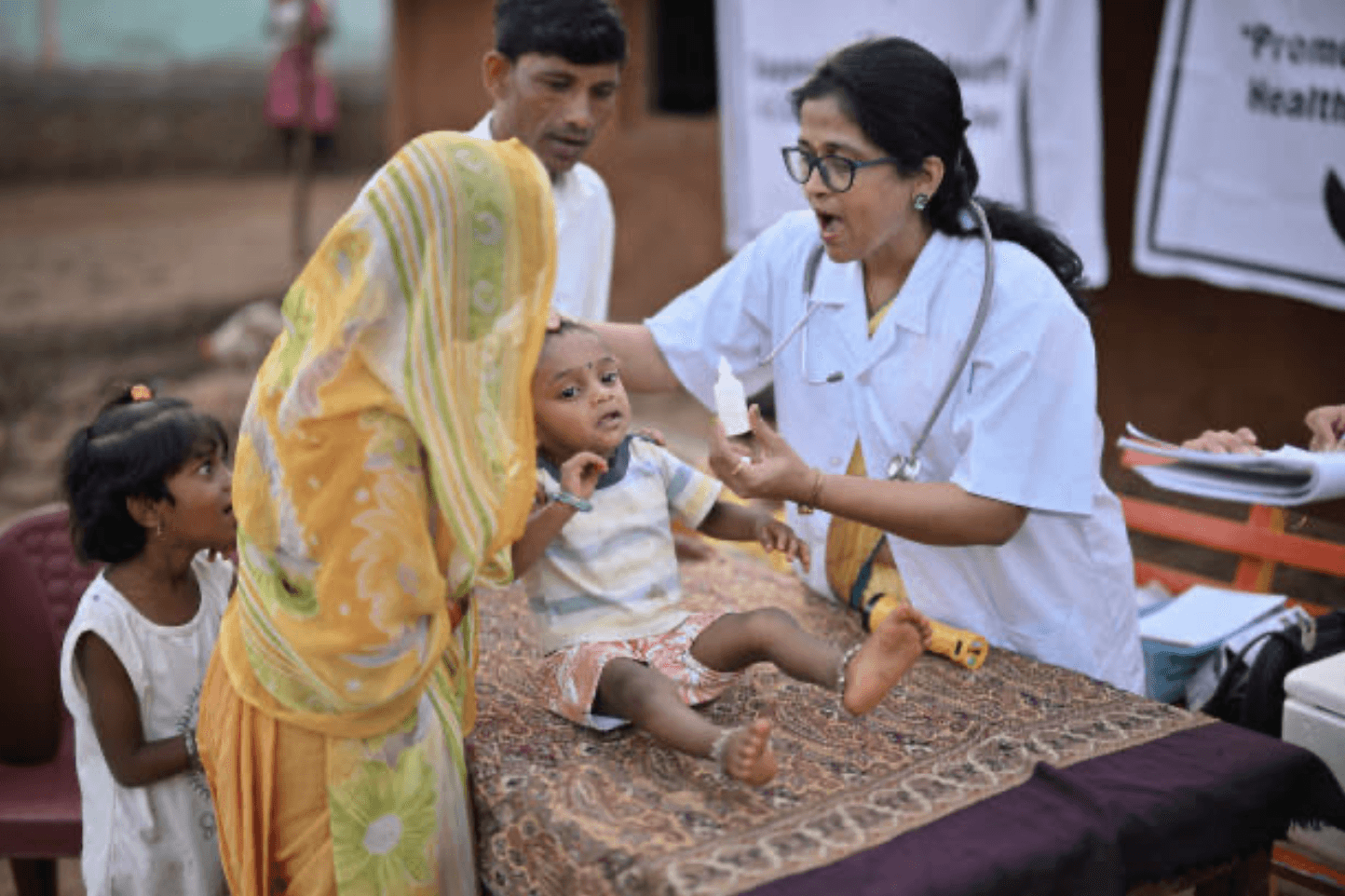
Image Source: Mayur Kakade, Getty Images
Campaigns framed vaccination as “good parenting,” tapping into identity, responsibility, and dignity.
Priming & Norms (Norms)
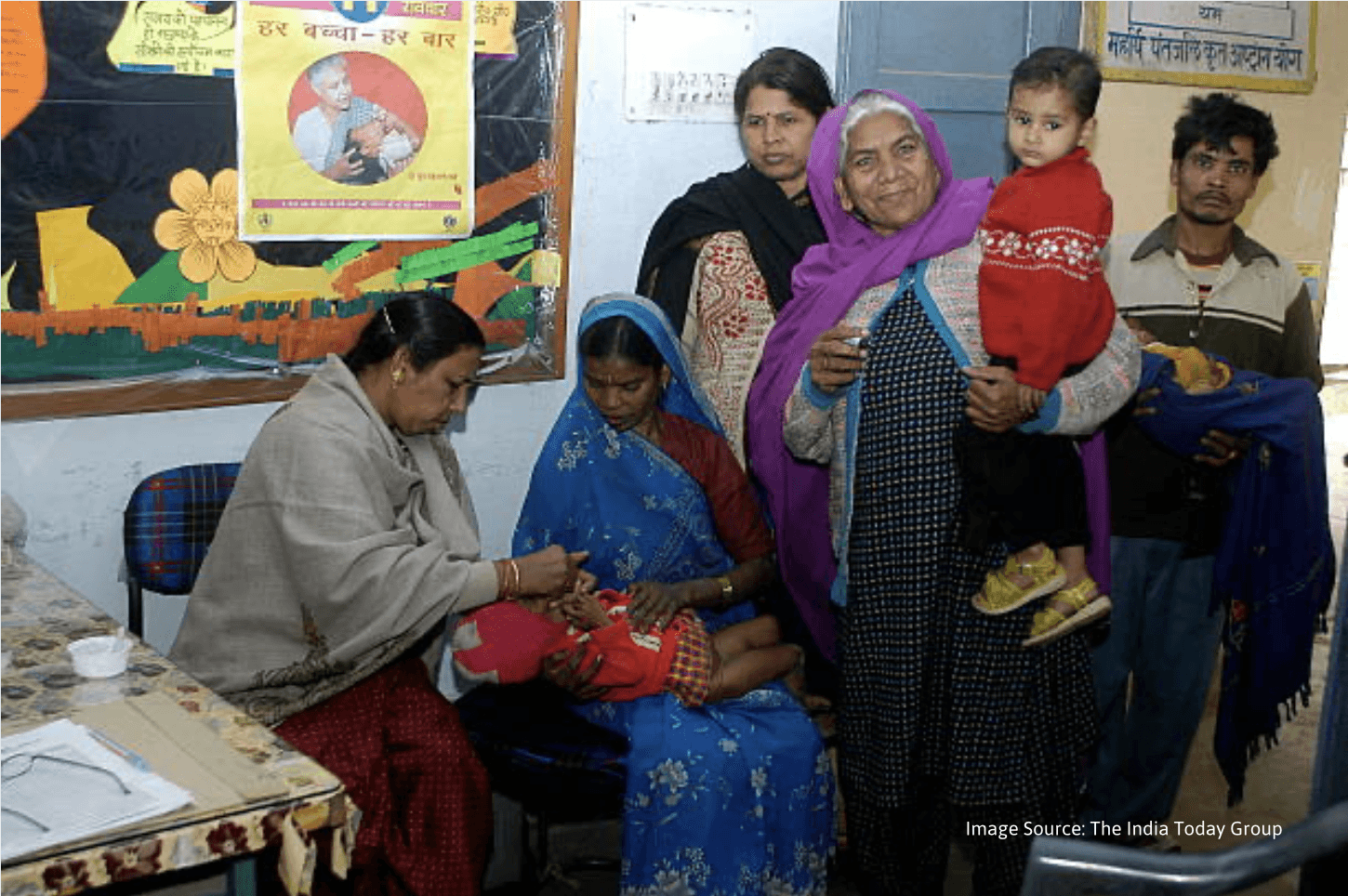
Image Source: The India Today Group
National and Sub-national Immunisation Days created powerful public rituals. Booths at mosques, temples, and markets made participation highly visible, signalling that “everyone is doing this.”
Bundled Value: Meeting people where they are
Transit booths at railway stations, bus stands, and markets vaccinated millions of children on the move, reducing effort and reaching families traditional drives missed.
This was MINDSPACE in action, behaviour change layered across emotion, identity, environment, and social systems.
The Impact in Numbers
200,000 cases to 0 between 1988 and 2014
2.3 million vaccinators mobilised for each National Immunisation Day
~5 million children immunised per round through transit and mobile teams in high-flow locations
Takeaways You Can Apply
Here are transferable insights for any program facing mistrust, low uptake, or community hesitation:
Listen first: Understand fears, beliefs, and local decision systems.
Empower insiders: Let trusted figures become the primary messengers.
Bundle value: Pair campaigns with daily convenience.
Track refusals: Use real-time feedback loops.
Build visible norms: Make participation public and celebrated.
Behaviour change is not about pushing solutions. It is about shifting mindsets, identities, and collective meaning.
Conclusion
India’s polio eradication story is a reminder that the greatest breakthroughs happen when science meets human behaviour. The campaign succeeded because it embraced trust-building, community influence, emotional resonance, and local leadership, along with medical tools.
For anyone working in public health, education, sanitation, or community systems, this case reinforces a powerful truth: programs succeed when people feel seen, heard, and supported, not instructed. Behavioural science helps us bridge that gap.