Program Innovation
Building household economic reslience
Livelihood & Workforce
Community Engagement
Implementation Tools
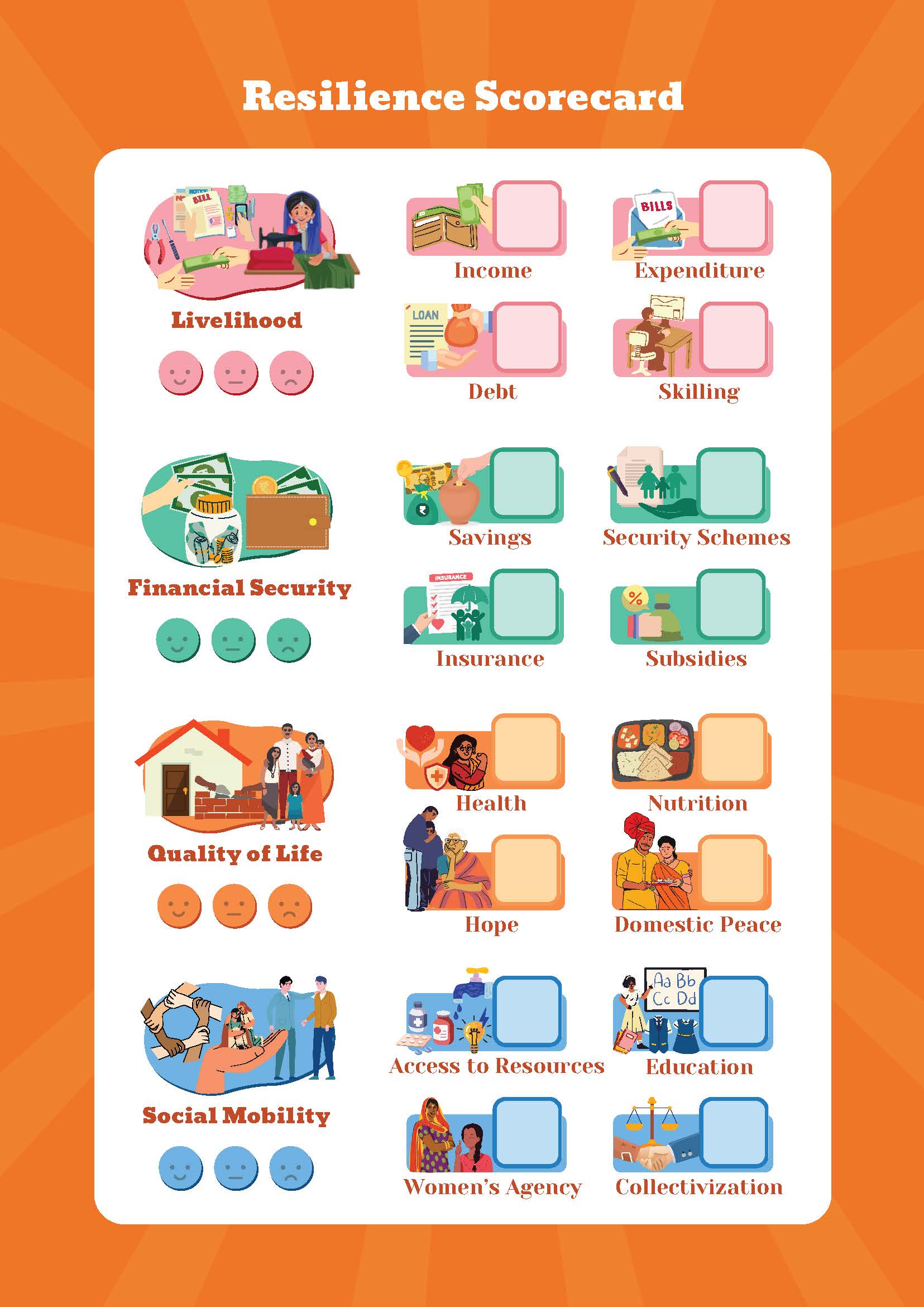
Data Collection Tool
Client:

We partnered with Vrutti to translate the abstract idea of economic resilience into something households could see, discuss, and act on. Using visual tools, journals, and a field guide, we supported both households and field teams to build shared understanding, data ownership, and sustained engagement.
Timeline: 4 months
Offerings
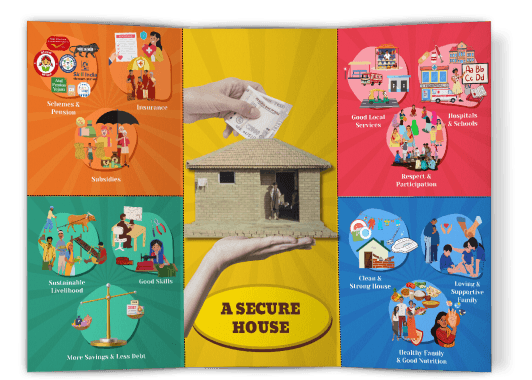
Behaviour-informed Engagement System:
A connected set of tools designed to help households understand, discuss, and track economic resilience over time.
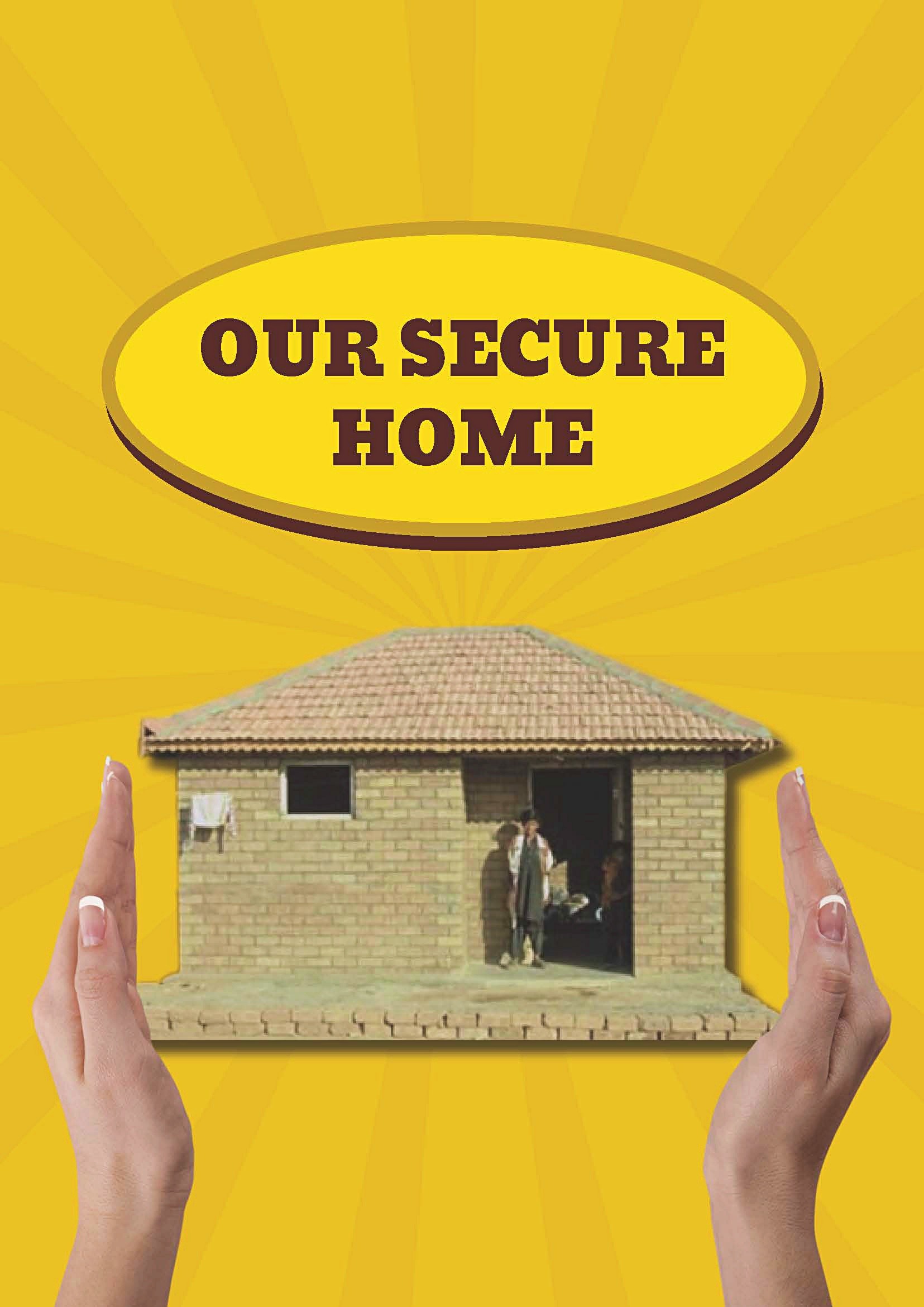
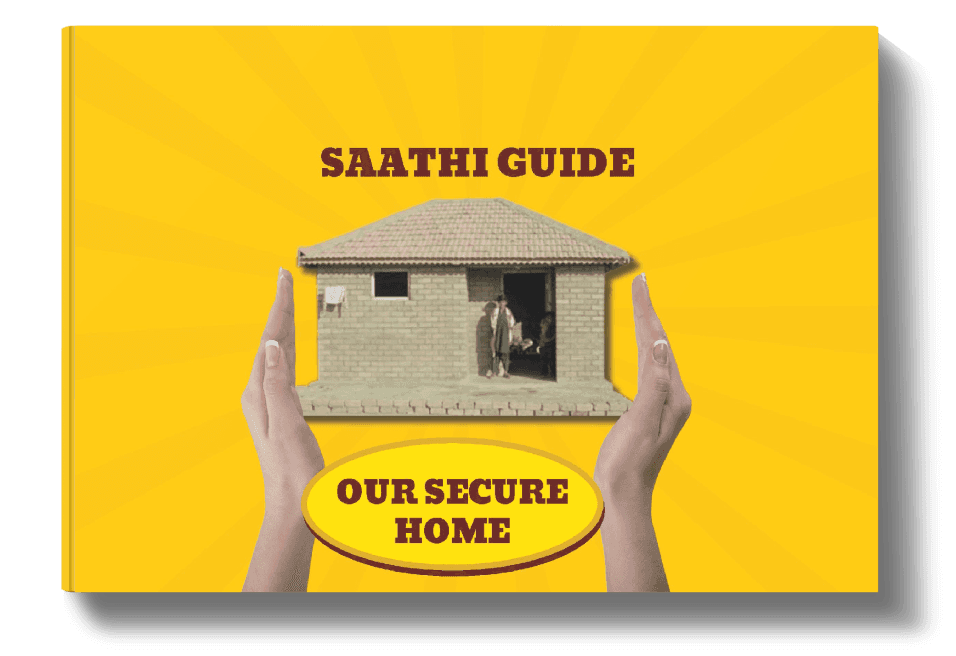
Field Enablement & Facilitation Tools:
Visual guides, prompts, and workflows that support Saathis to lead consistent, meaningful conversations across visits.
Household Data & Ownership Tools:
Offline-friendly journals and visual formats that support reflection, documentation, and shared decision-making.
What was confusing, hard, or invisible for people before this work began?
1
Economic resilience was unfamiliar and abstract
2
Households struggled to connect daily decisions to long-term stability
3
Data was collected about households, not with them
How might we help households understand what “economic resilience” means in their own lives so we can support them to map, track, and act on it over time?
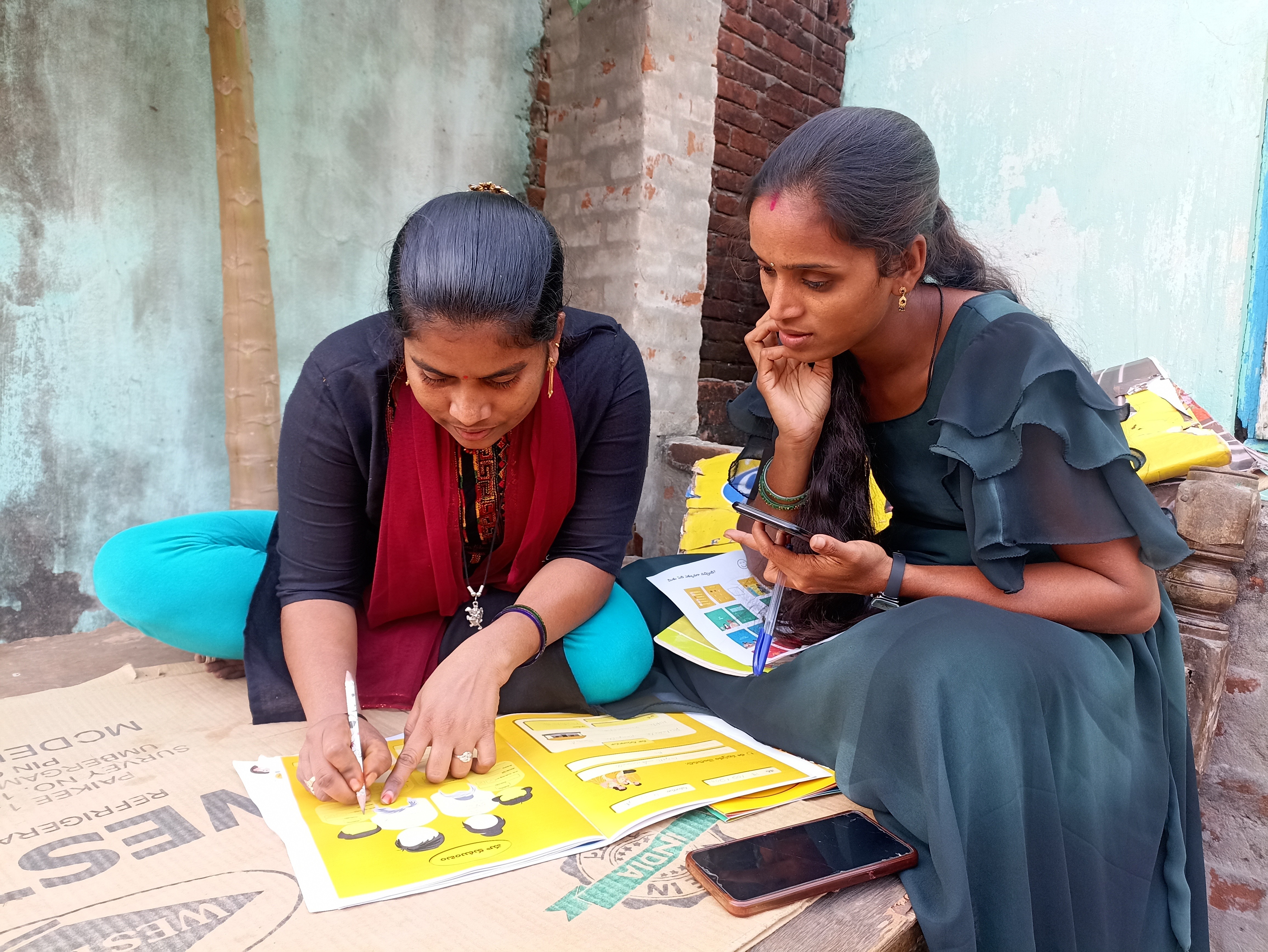
The Resilience Journey
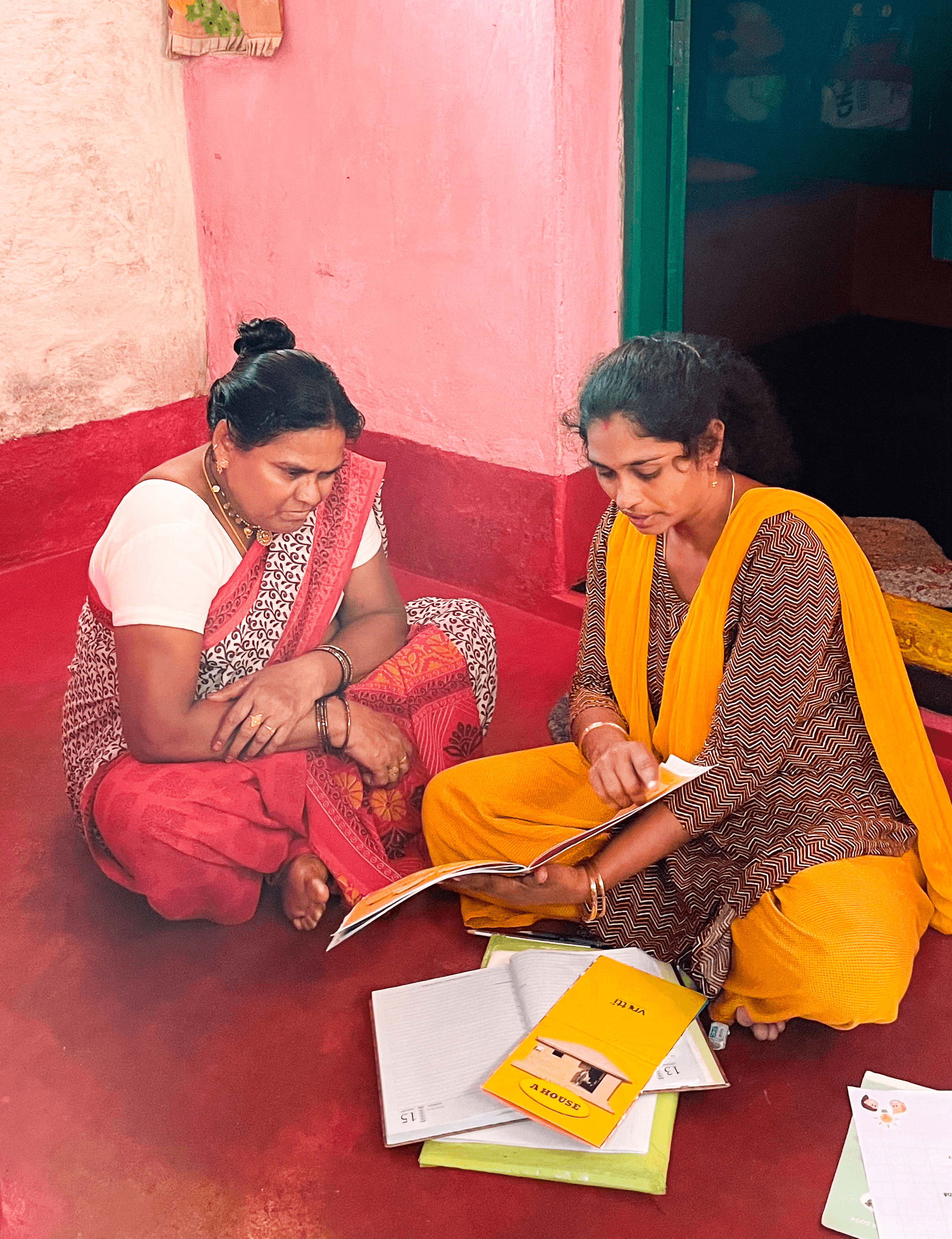
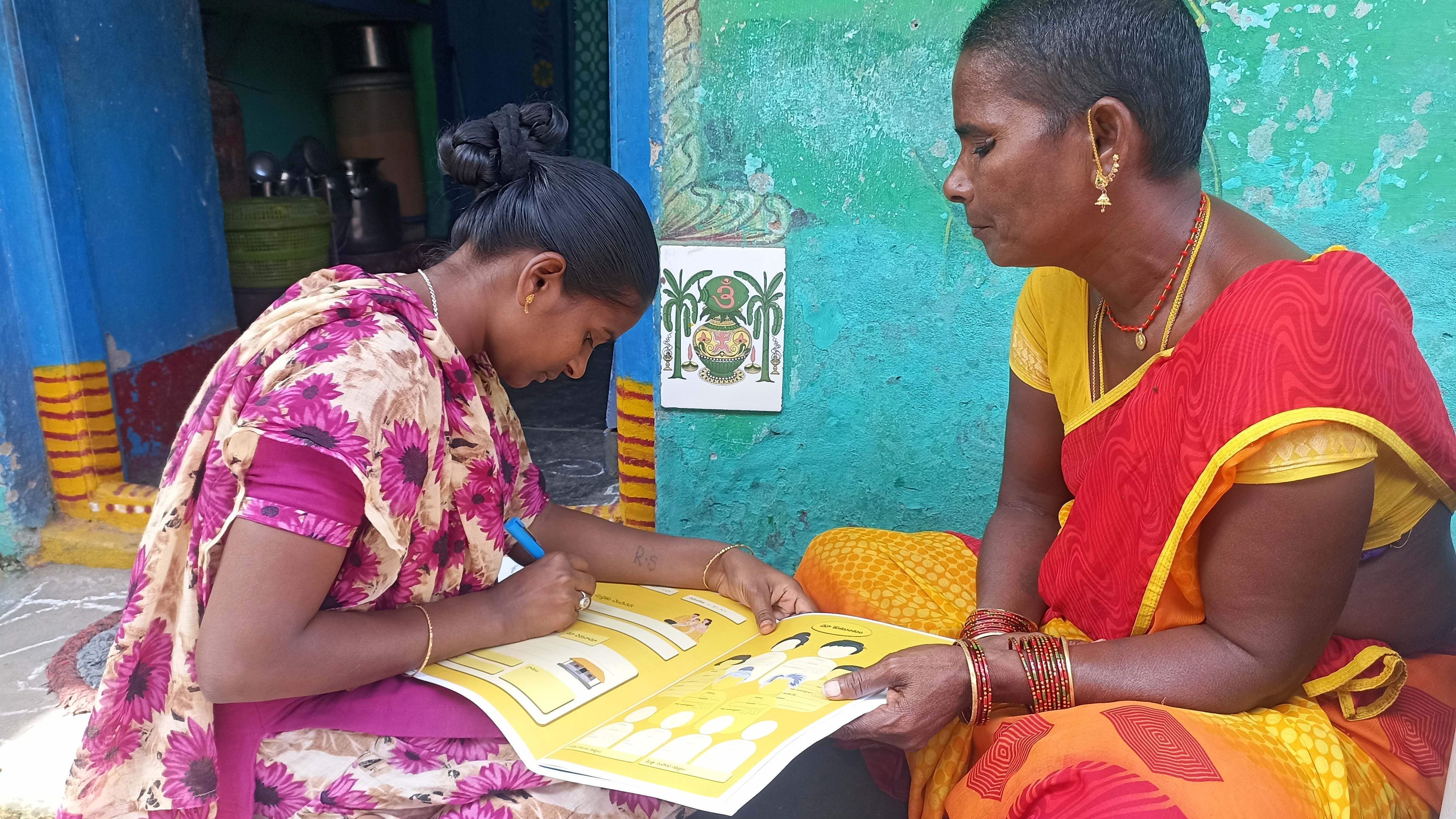
Resilience Saathis, being part of the same community, led the process by visiting households, mapping their resilience journey, and offering support. Understanding their ecosystem and challenges helped us design tools to assist them in this role.


What did we design for?
All tools were designed to be visual, intuitive, and offline-friendly, enabling shared understanding between households and Saathis.
Early conversations
Introducing the idea through familiar metaphors
Reflection
Mapping household realities visually
Sense-making
Discussing trade-offs, priorities, and aspirations
Continuity
Revisiting data and decisions across visits
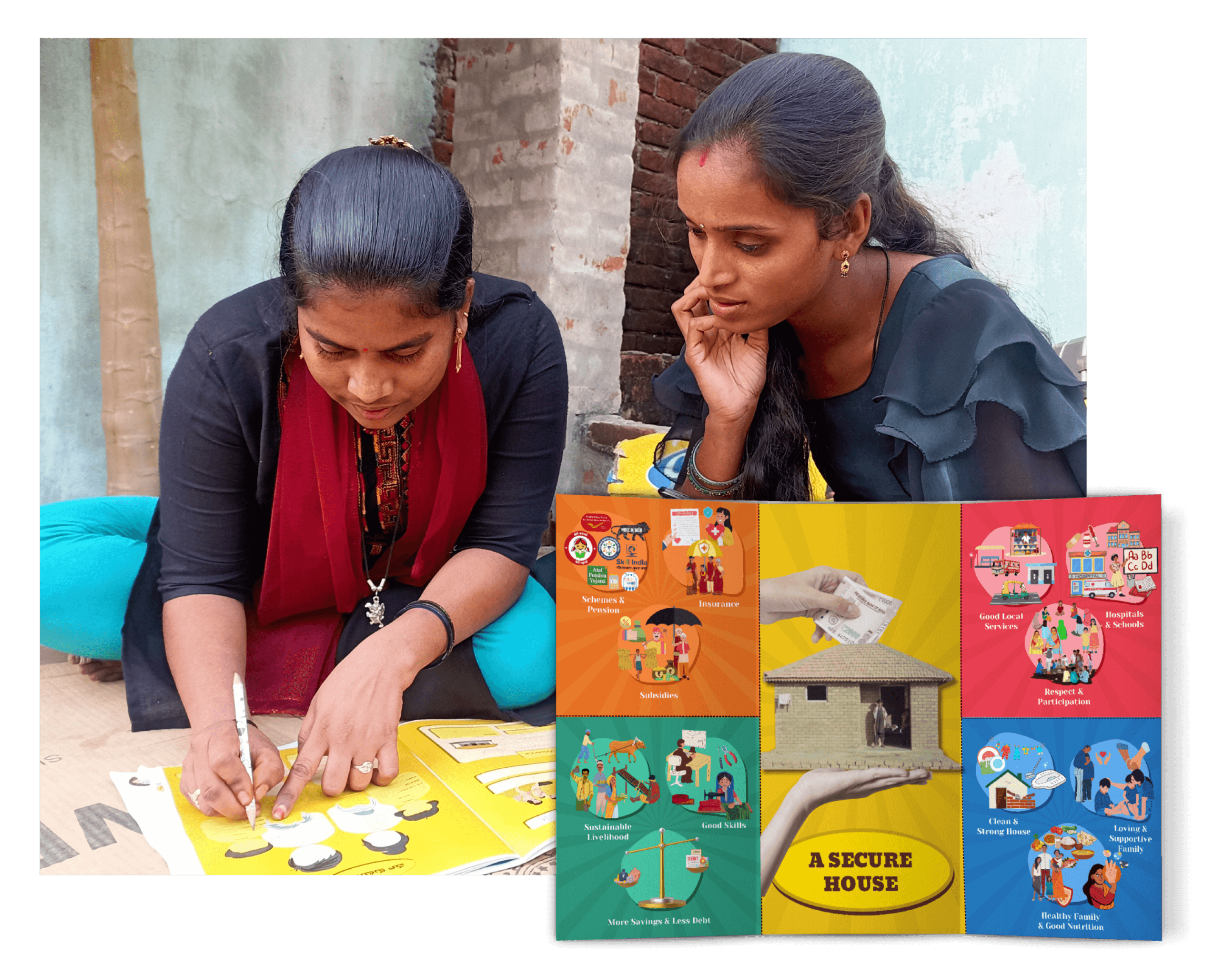
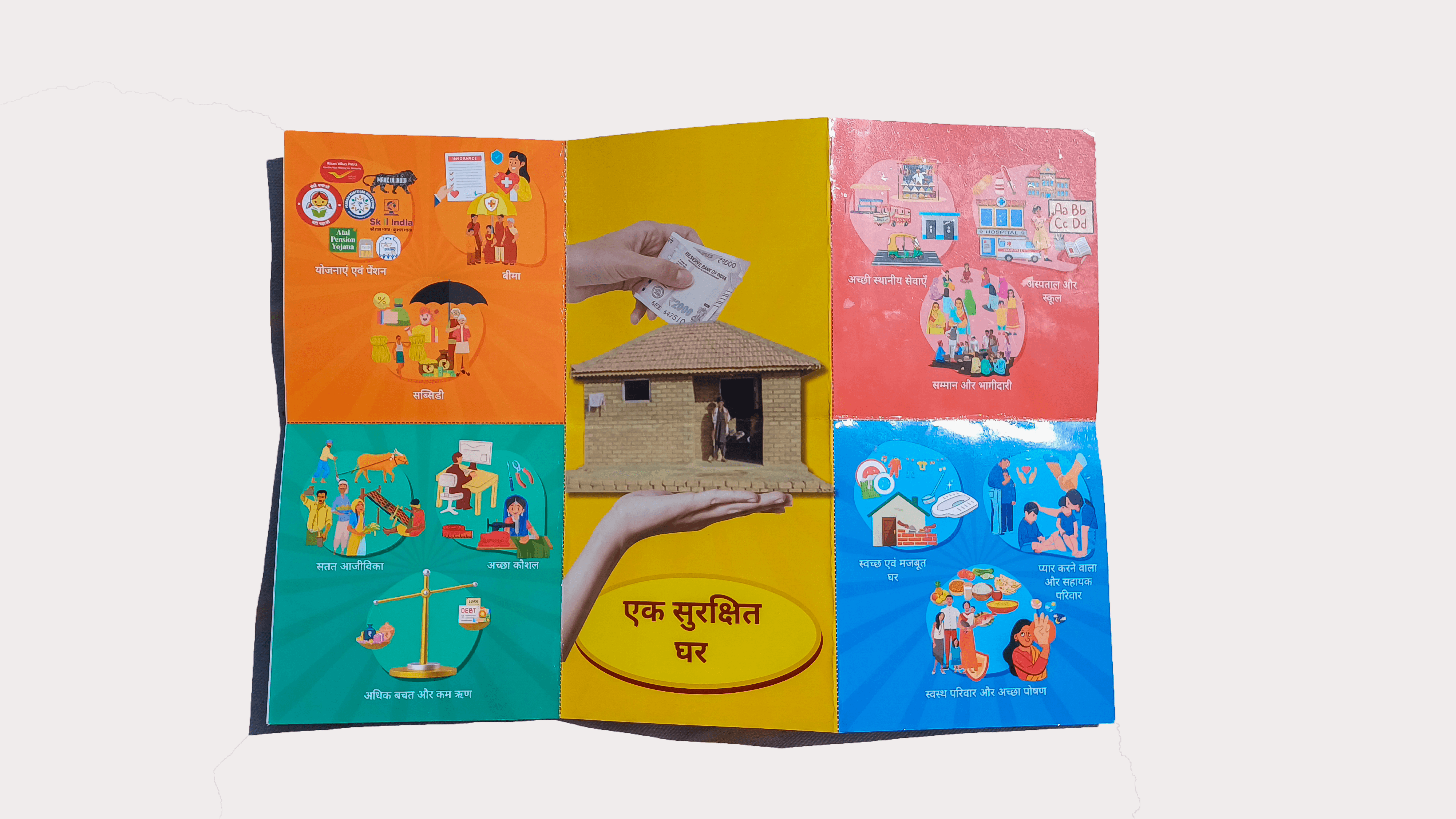
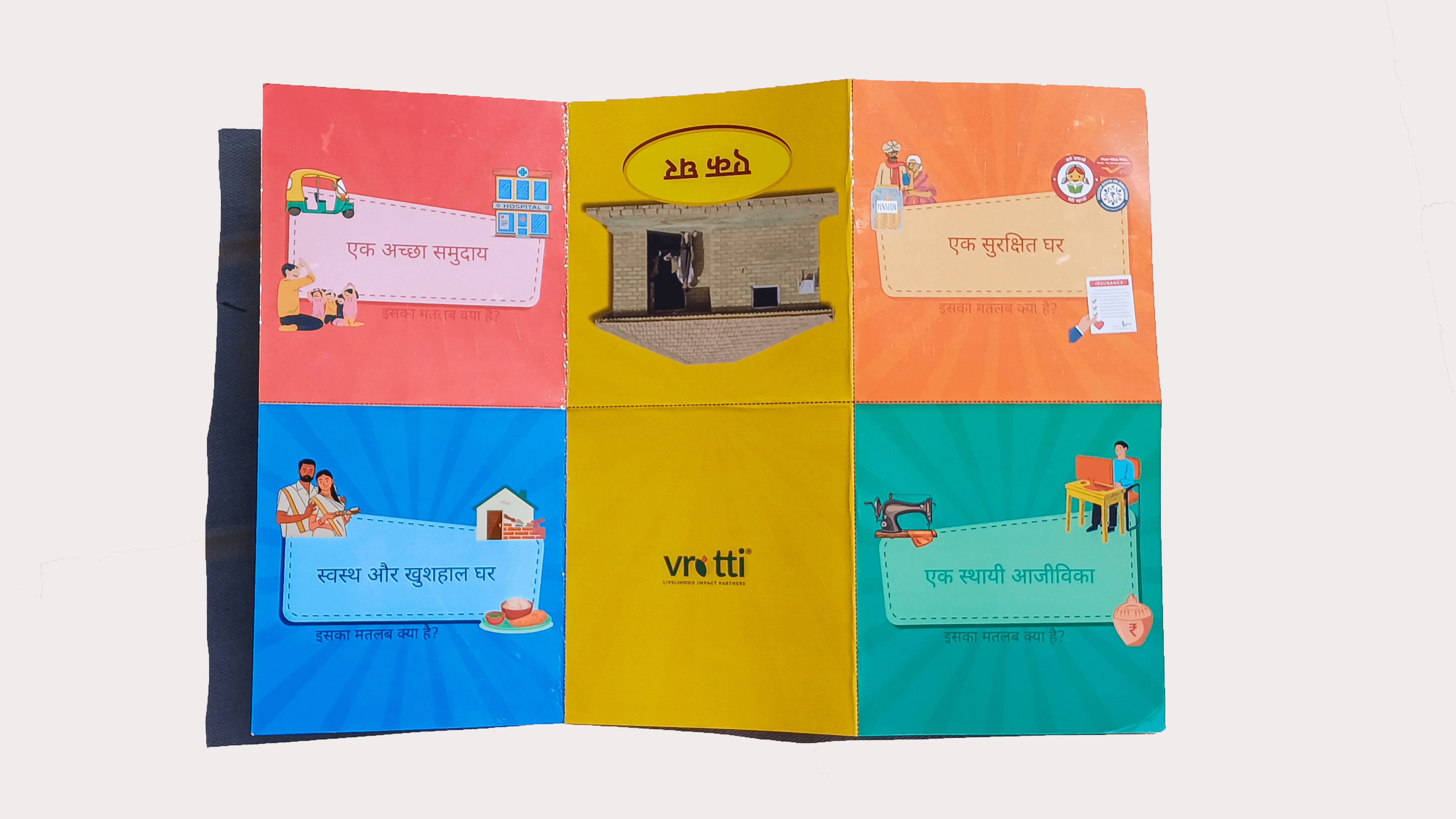
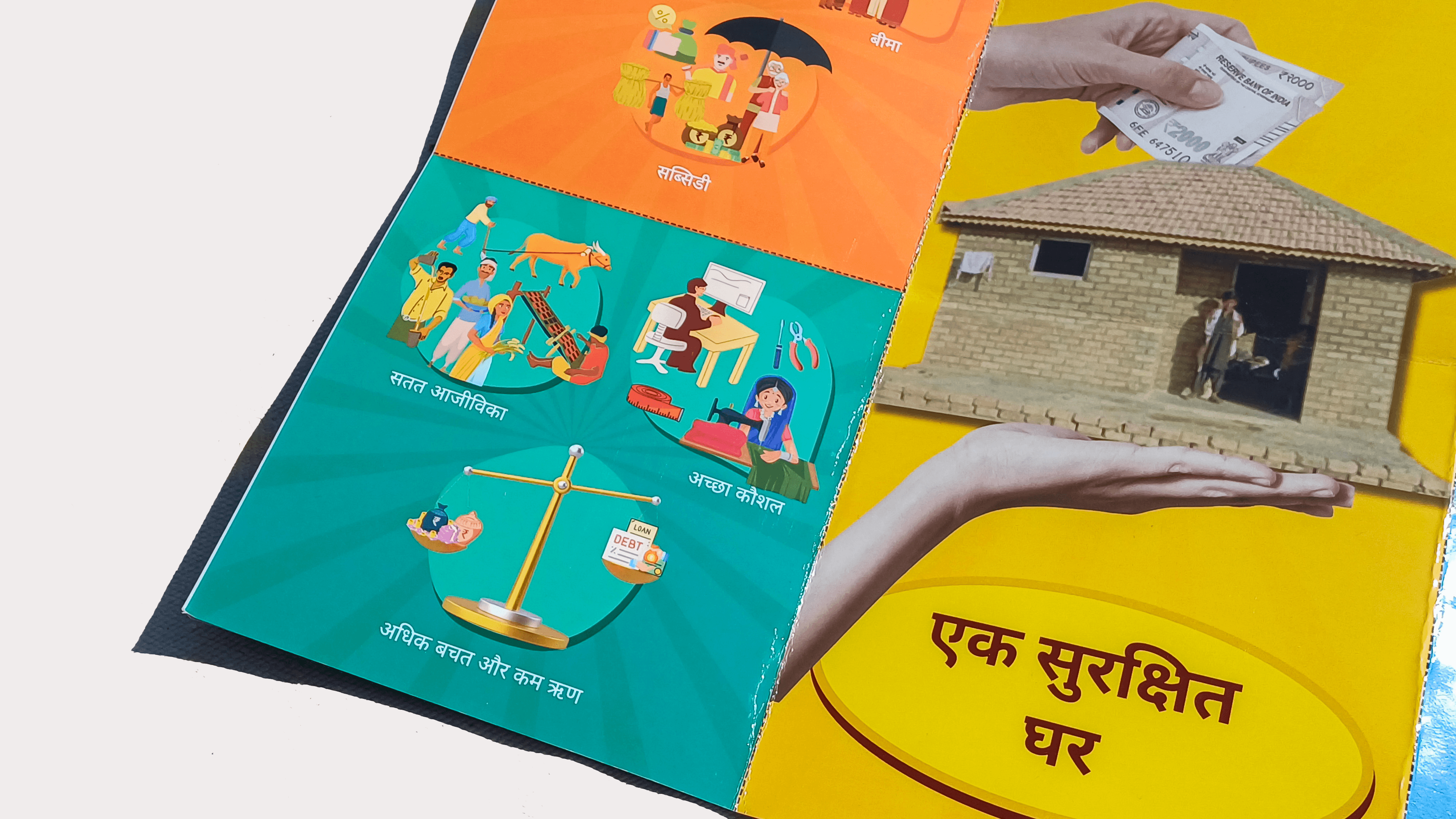
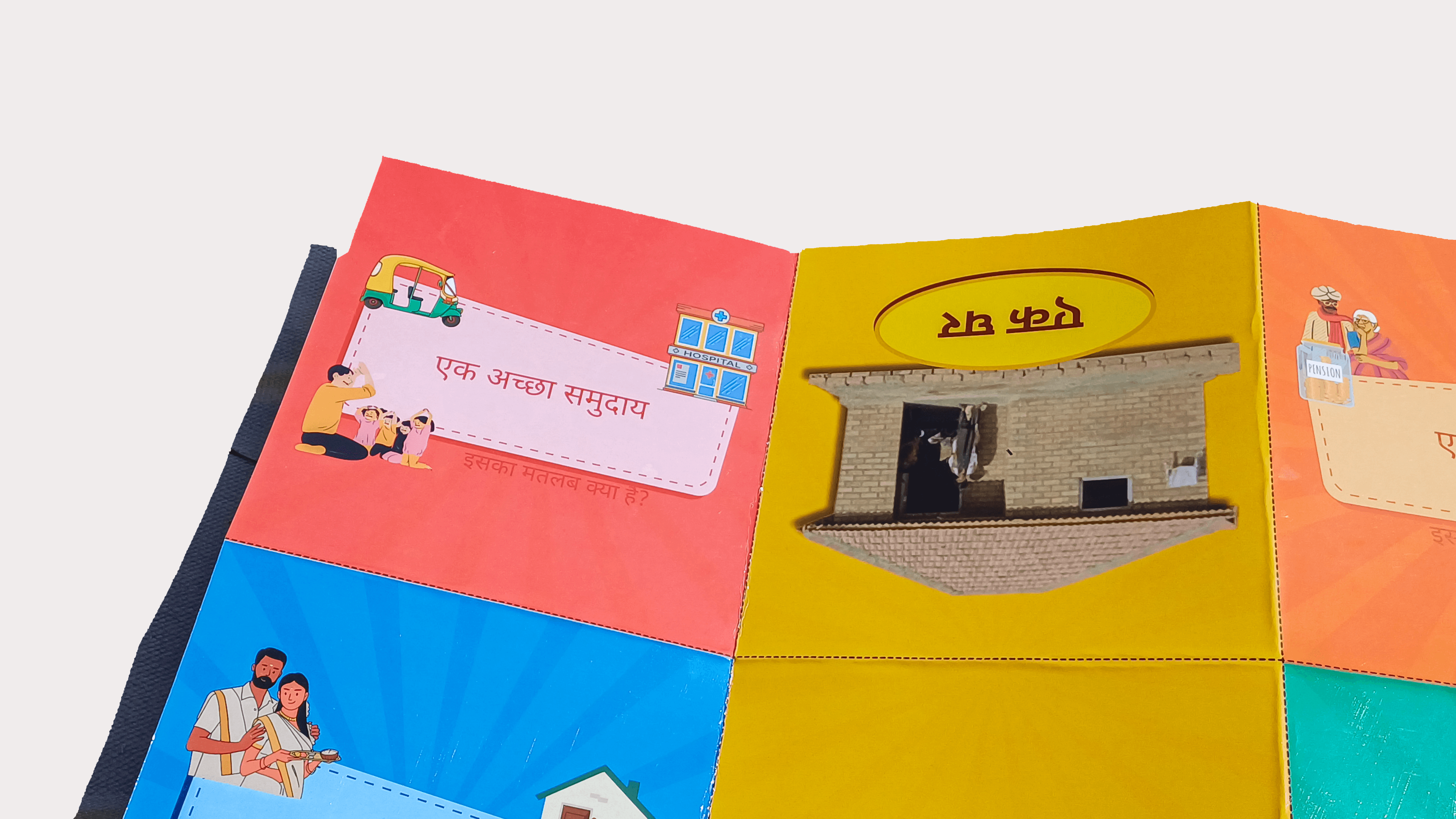
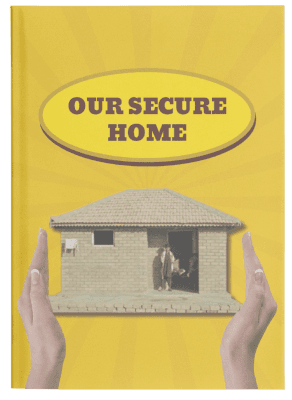
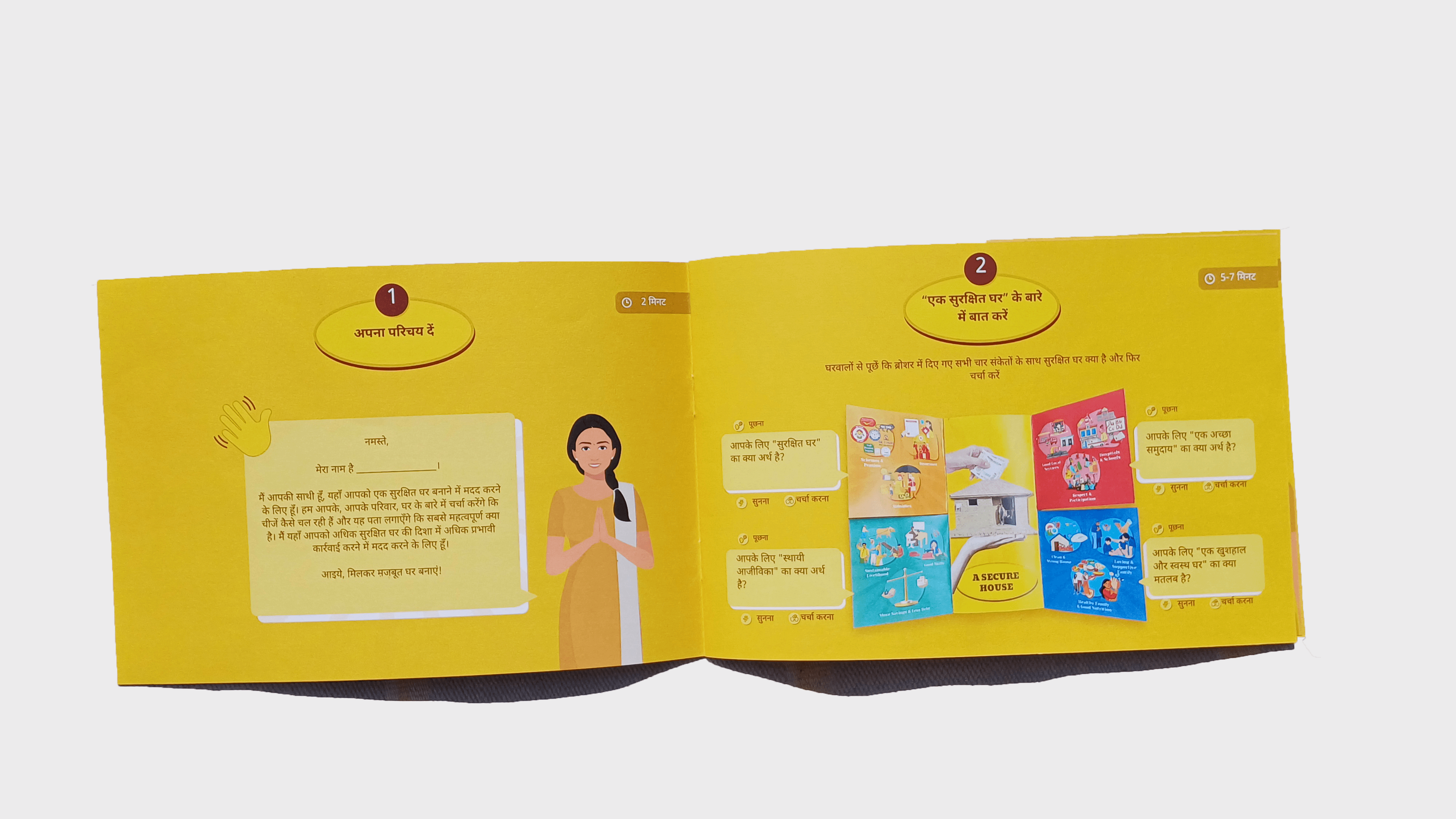
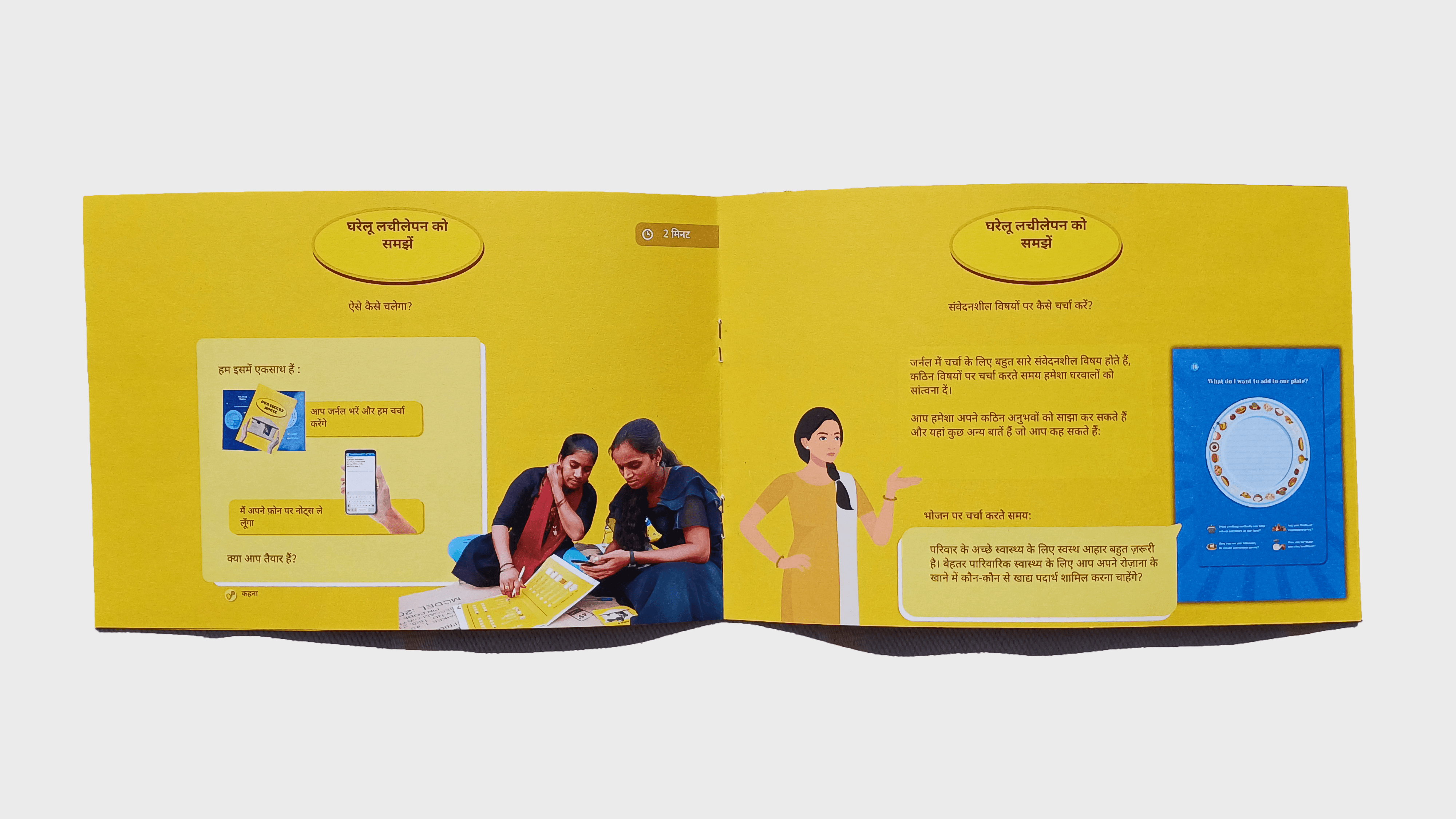
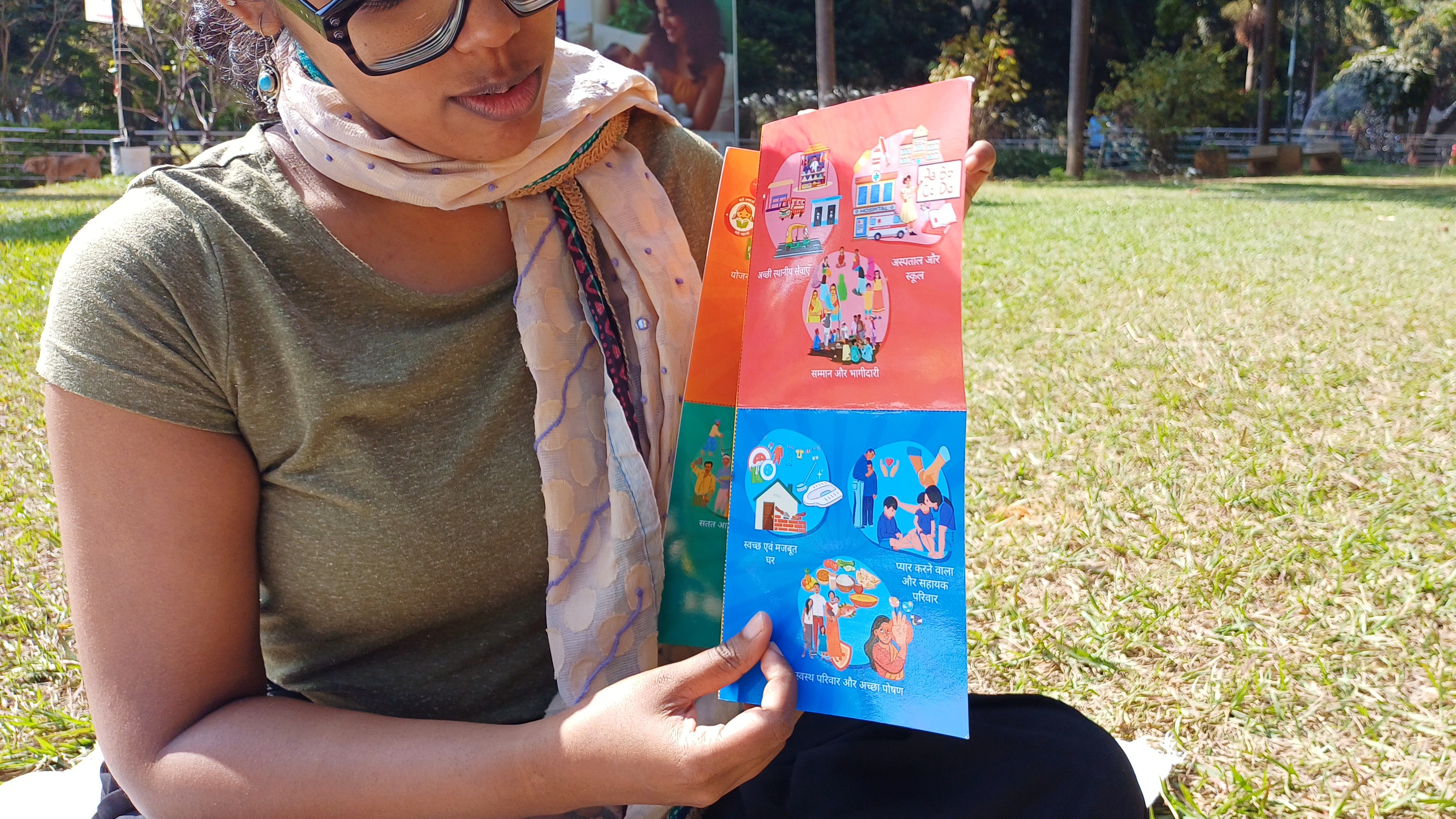
Conversation Starter
Shared language and entry into a complex topic
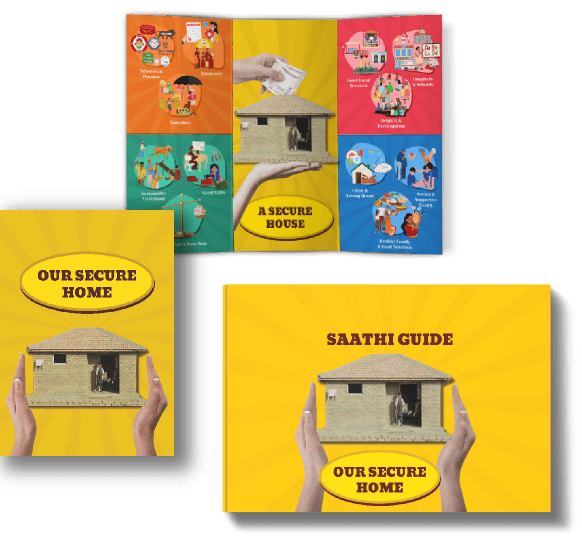
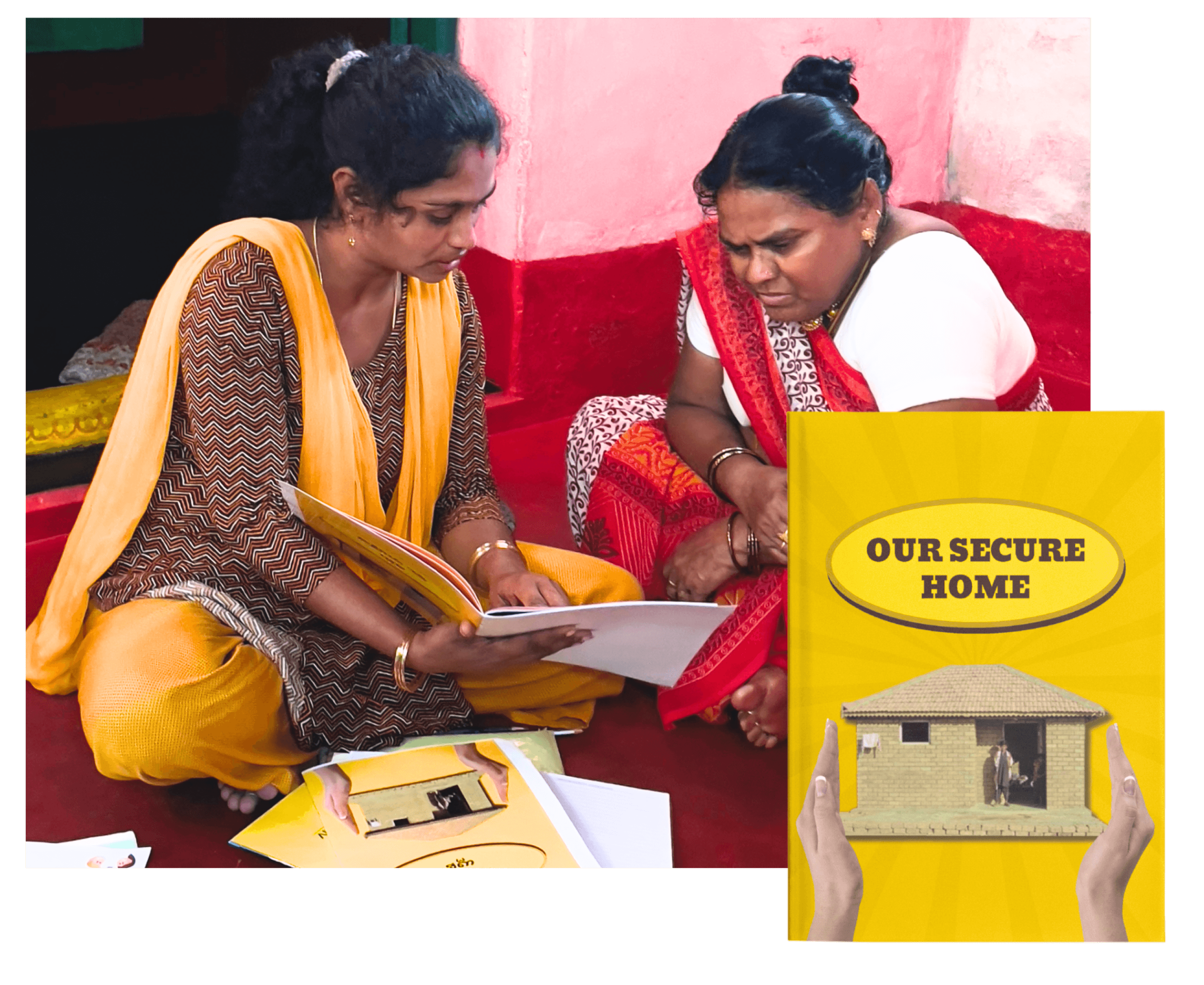
By anchoring discussions around the idea of a “secure home,” it helped households relate abstract concepts to their own experiences, creating a safe and familiar starting point for deeper conversations
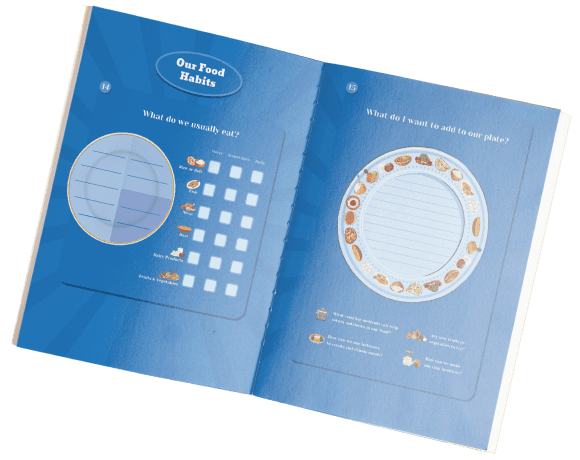
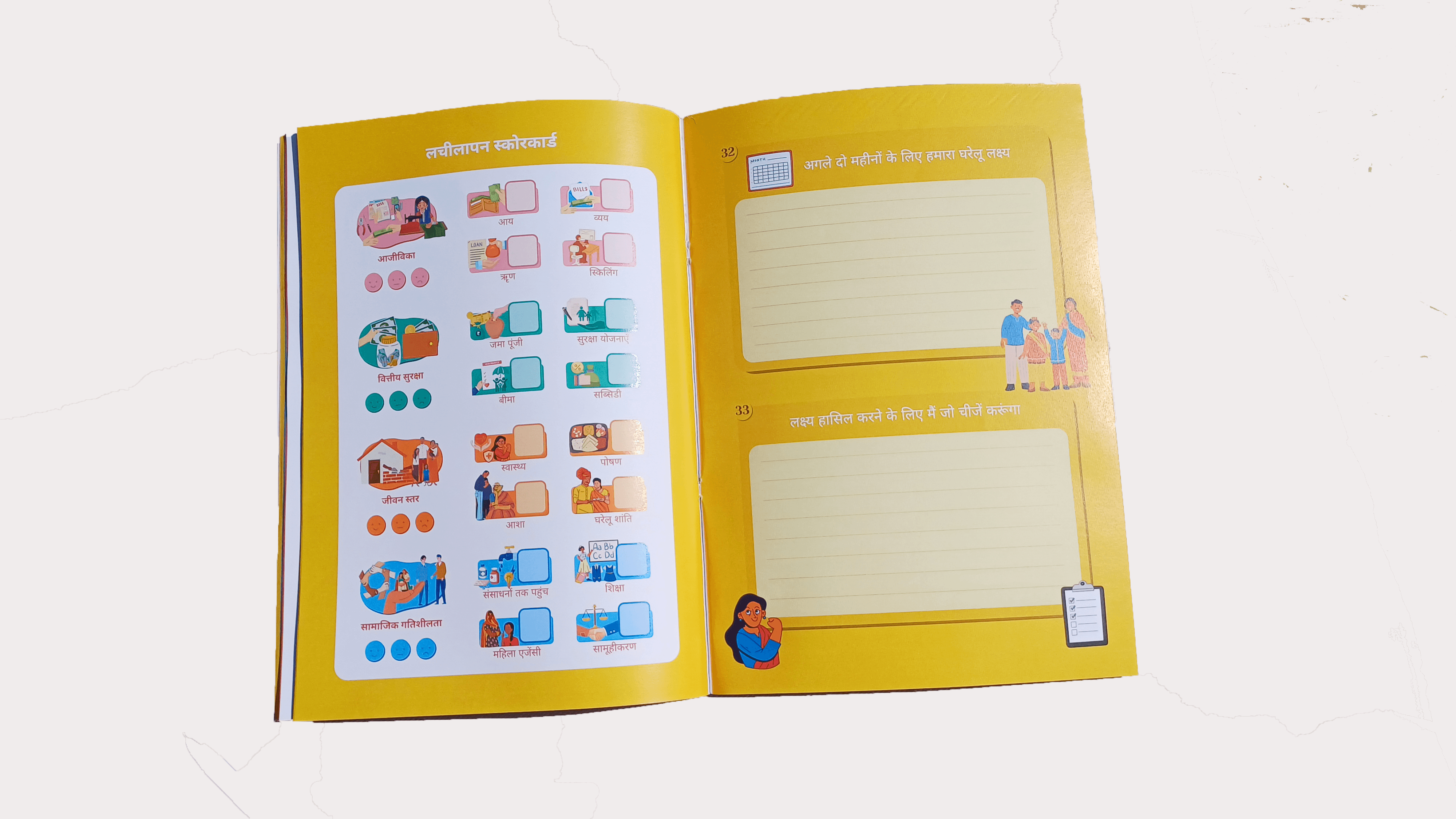
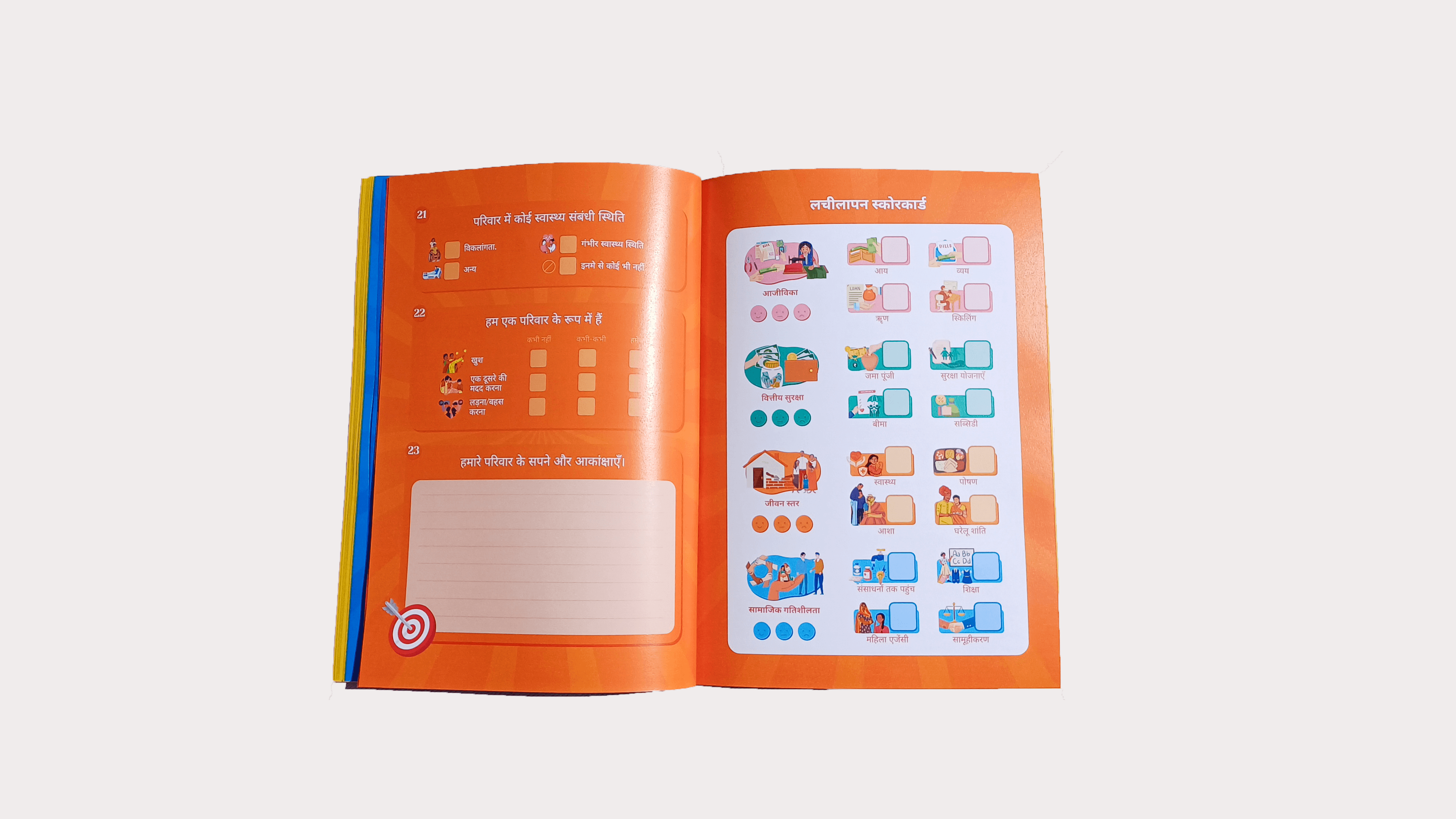
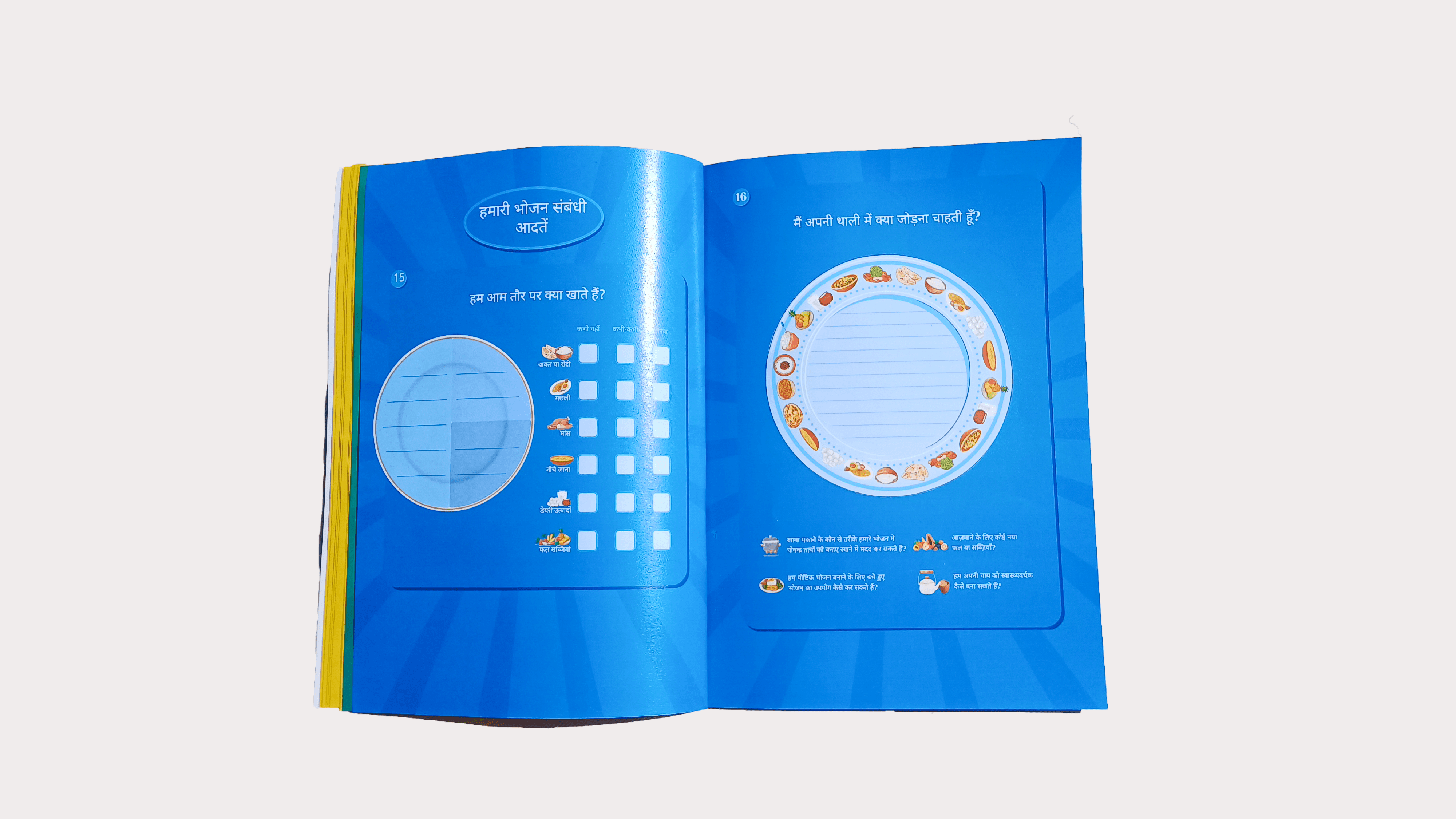
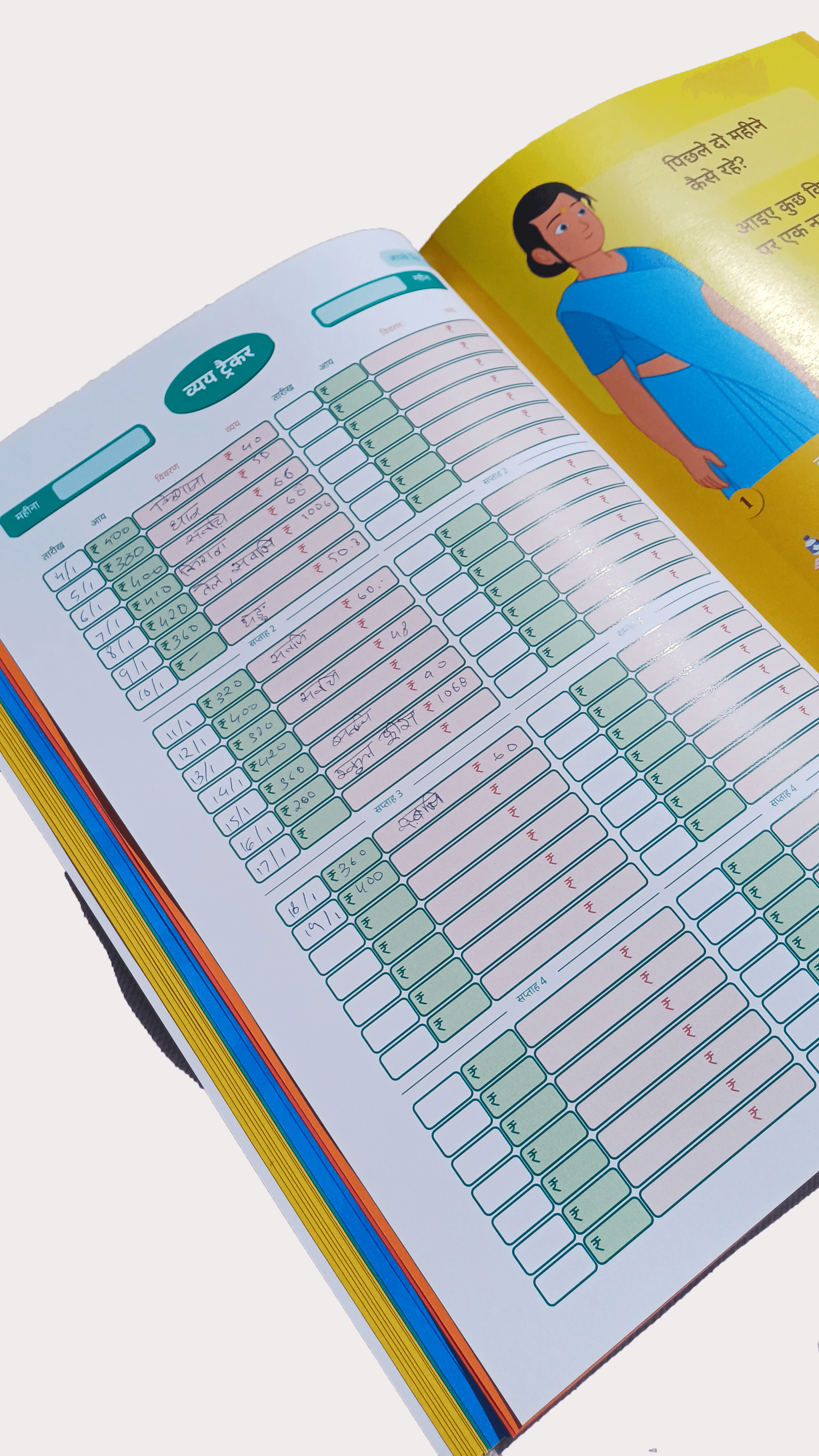
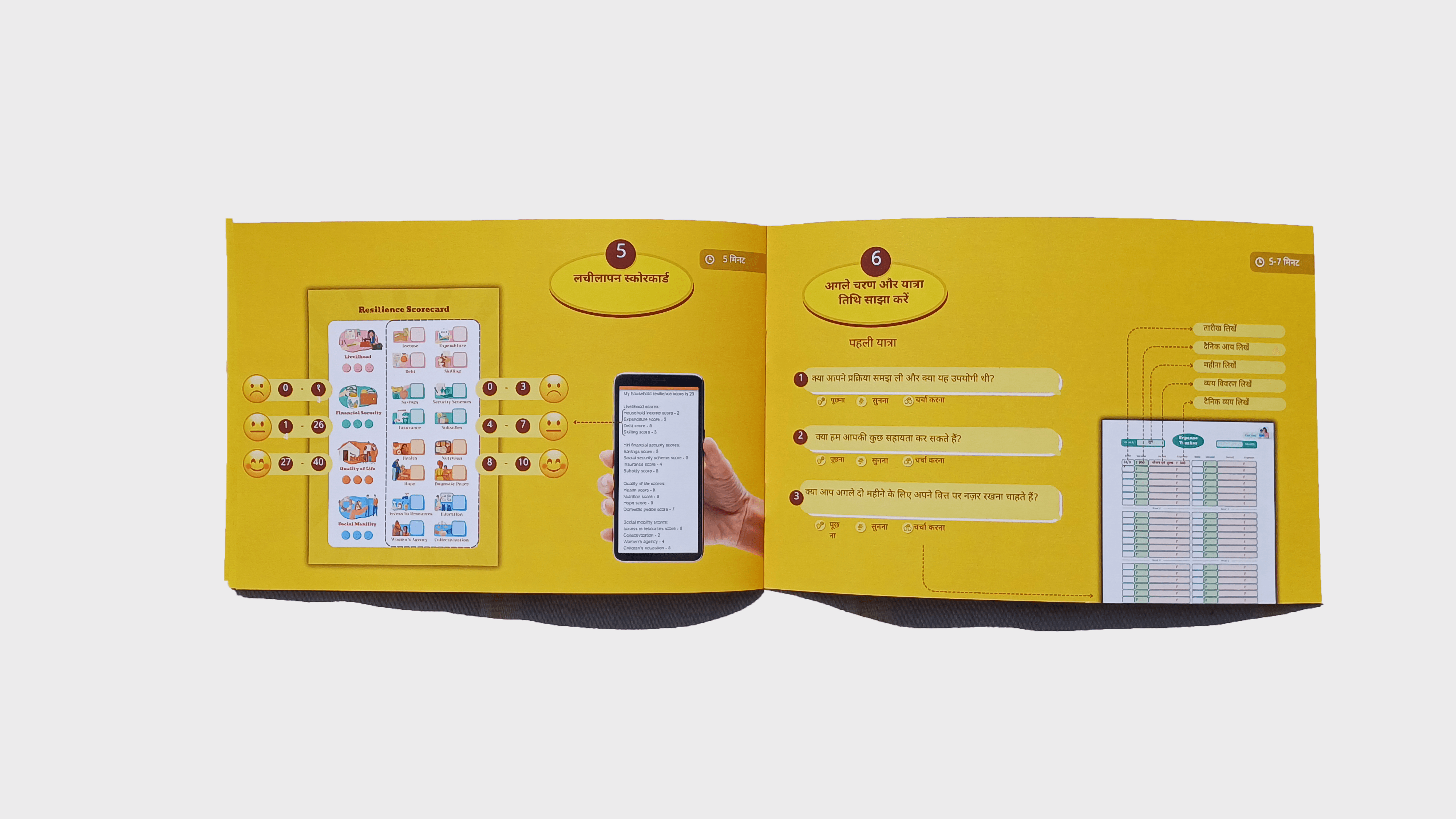
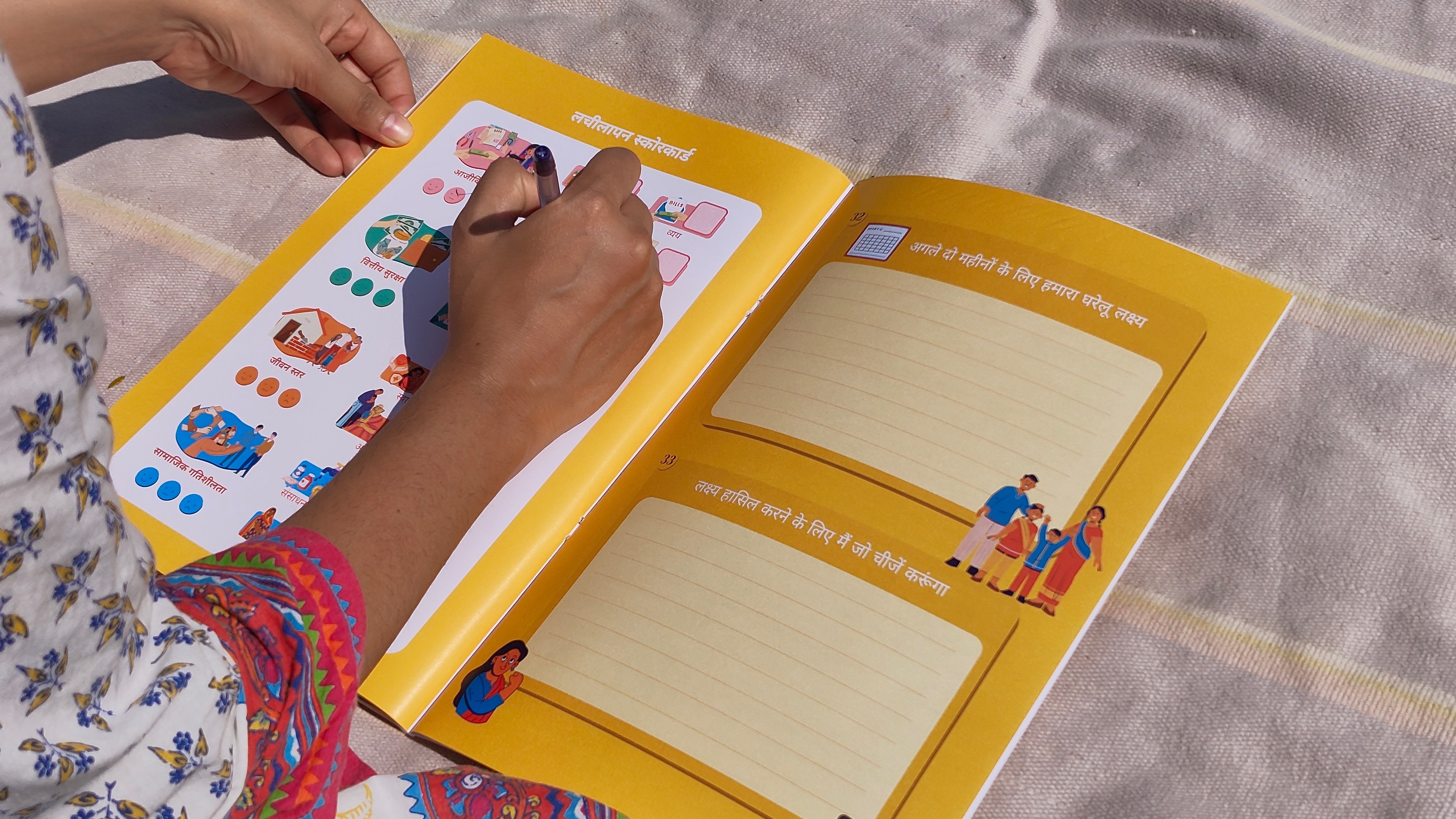
The Household Journal
Reflection, offline data access, and a sense of ownership
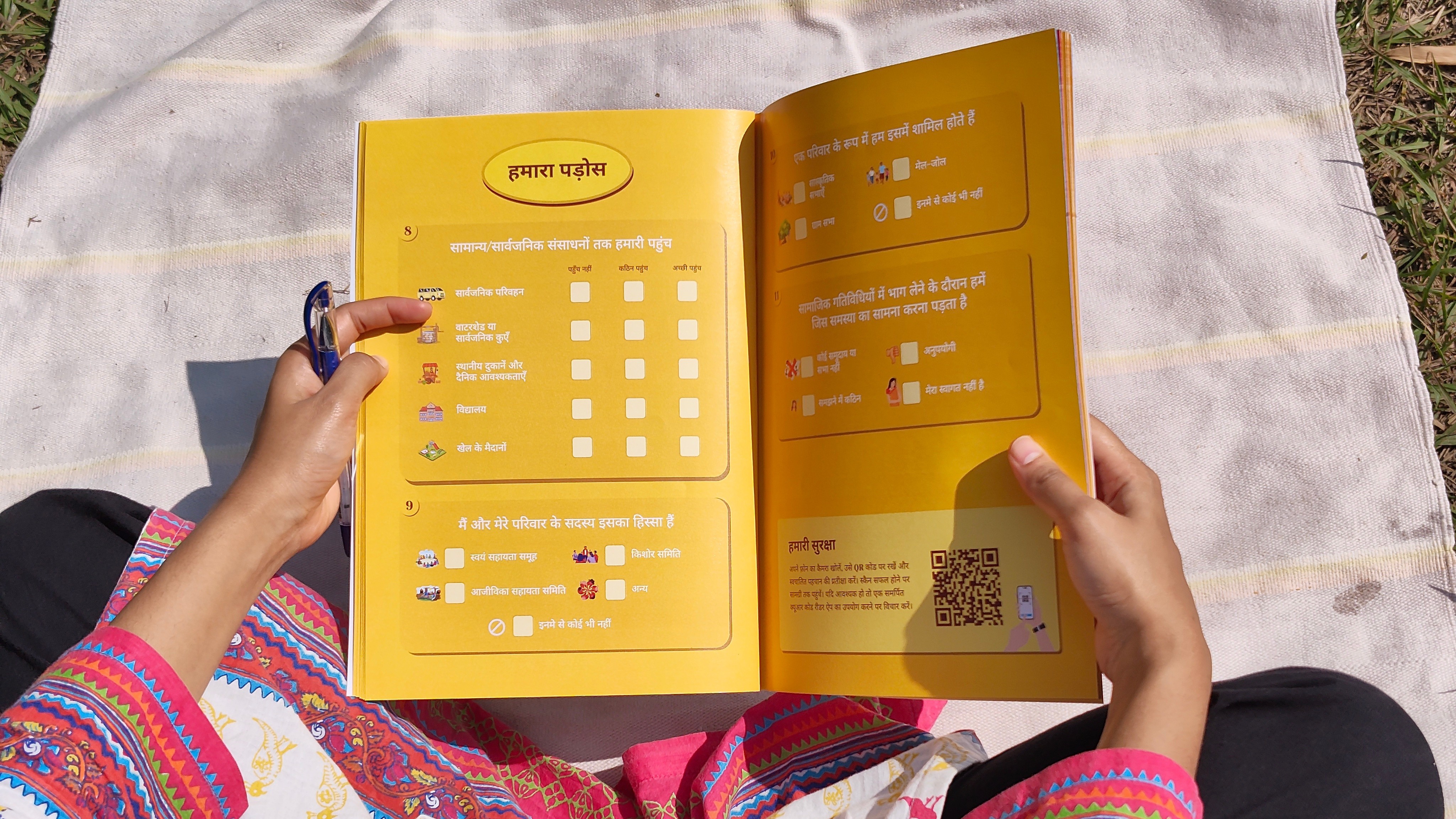
Designed as a visual, offline-friendly tool, it allowed information to stay within the household. This shifted data from being something collected from households to something owned by them. The journal also served as a shared reference point during repeat visits.
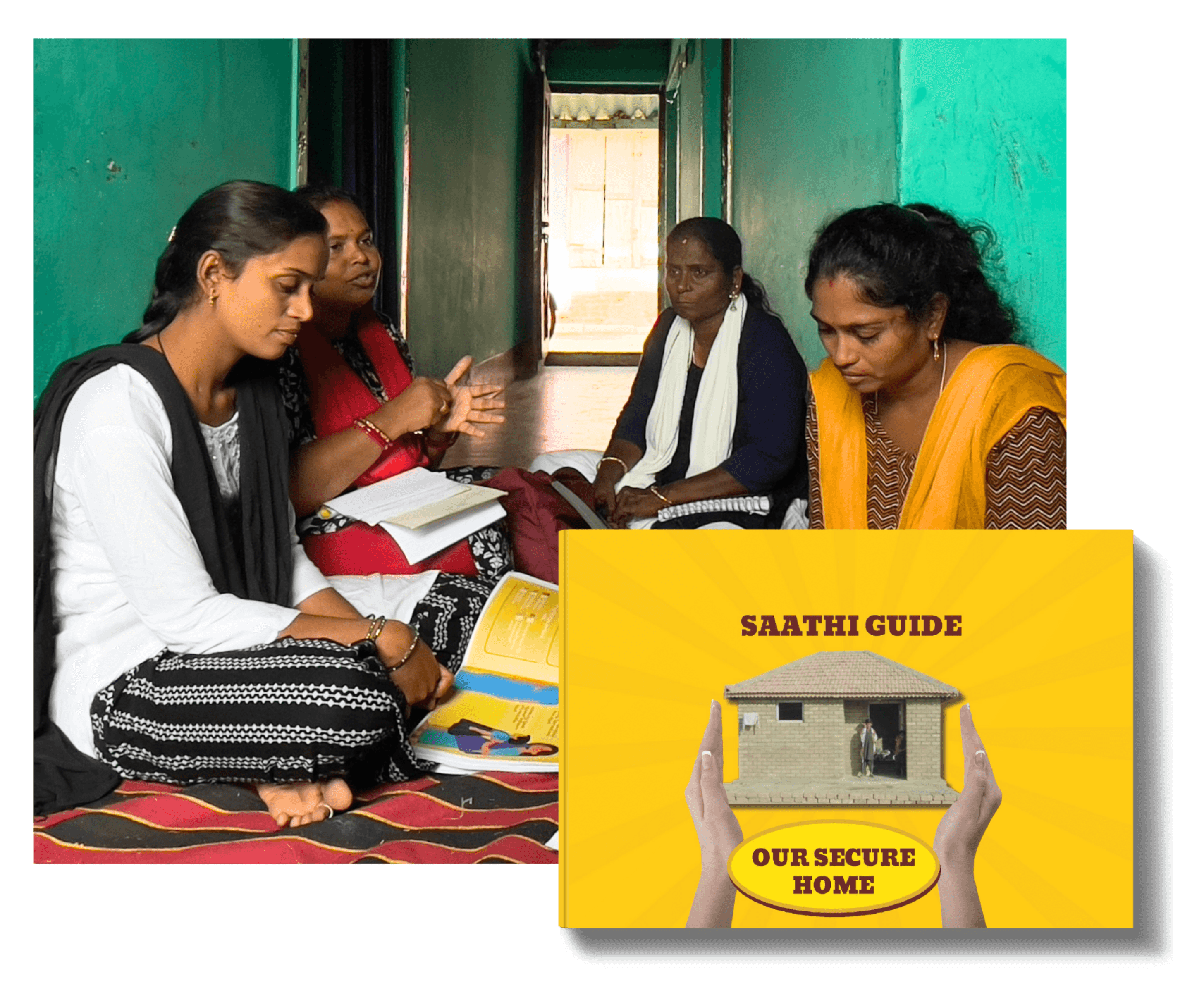
The Saathi Guide
Consistency, confidence, and continuity for field teams
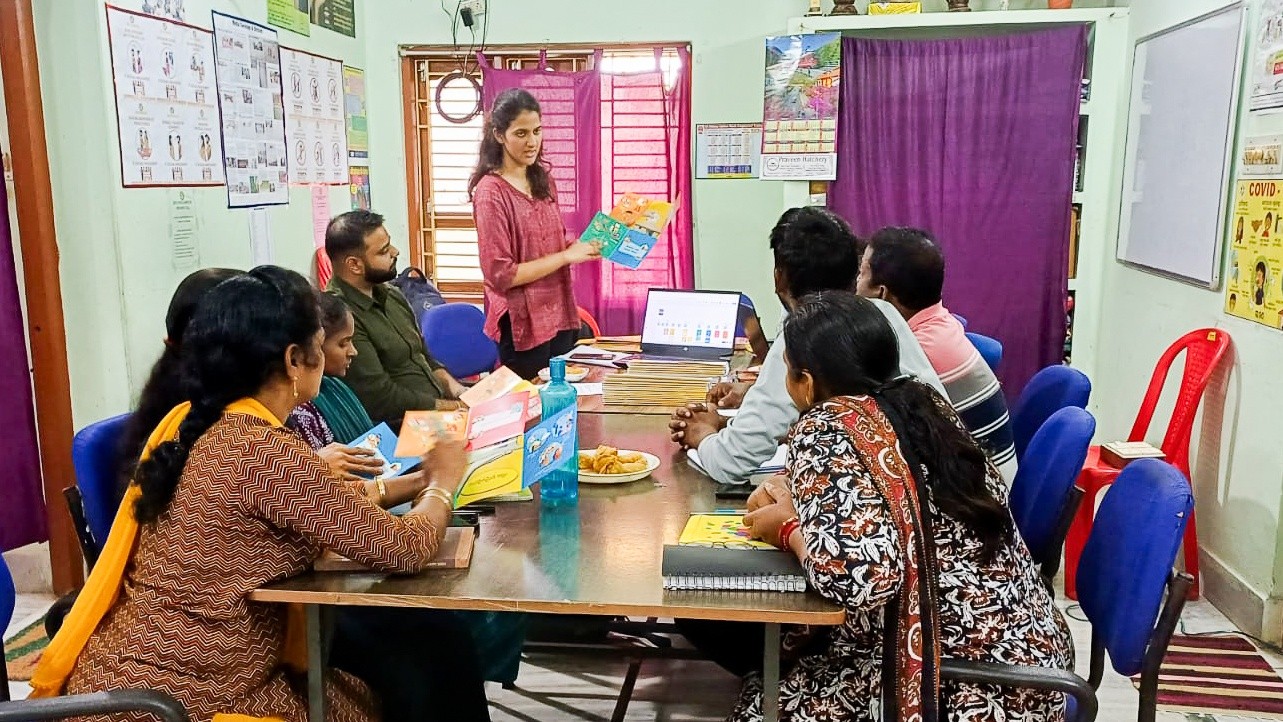
With prompts, structured flows, and clear instructions, it reduced dependence on individual facilitation styles and helped Saathis revisit households confidently, track progress, and maintain continuity over time.
Our Process
1
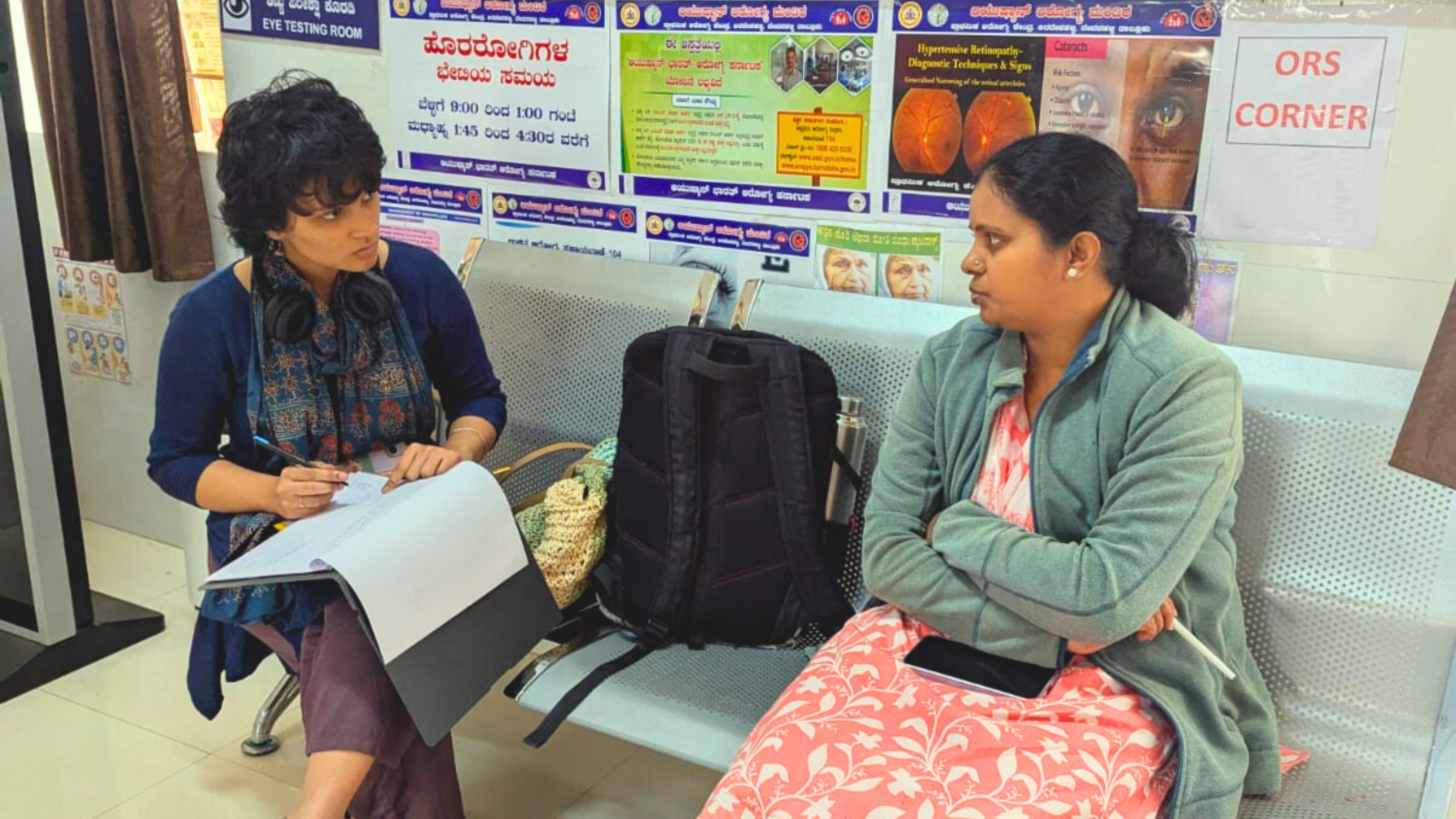
Immersion
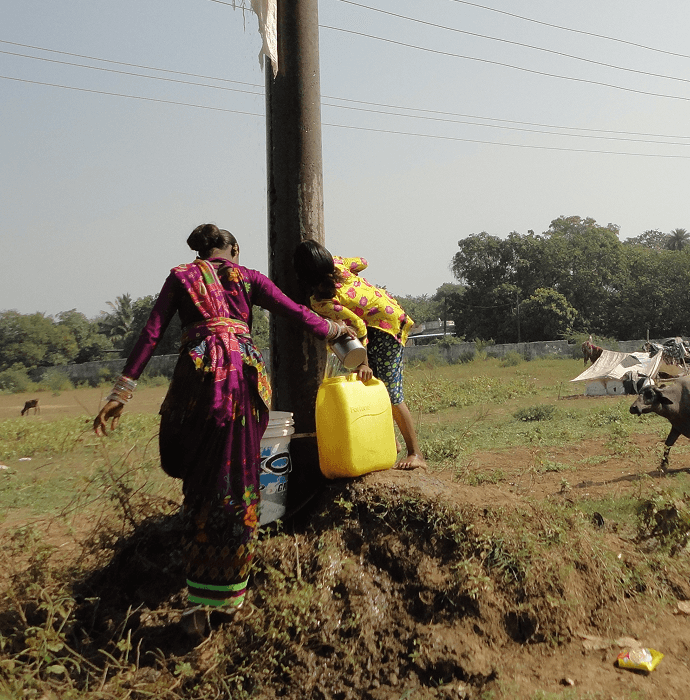
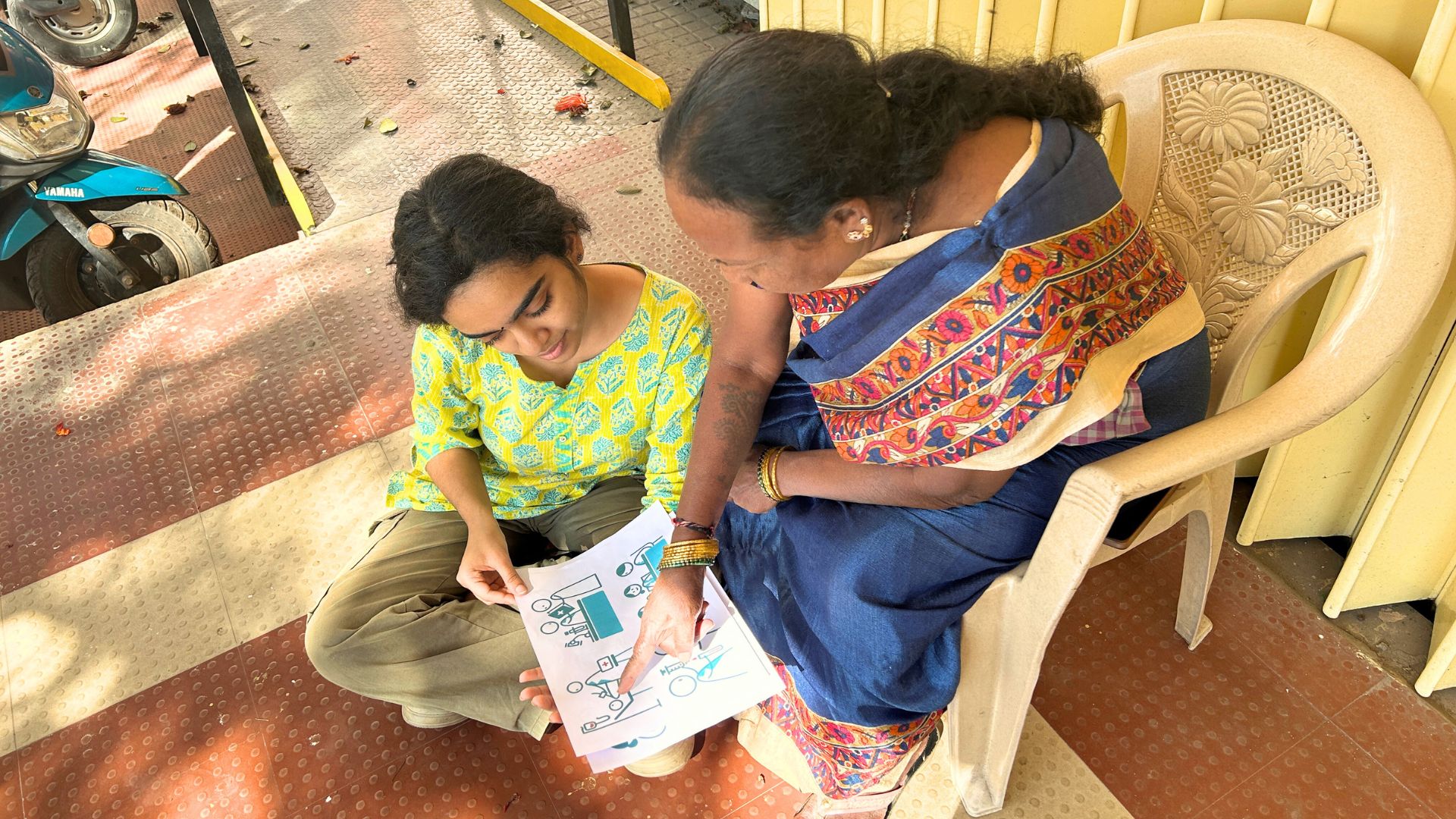
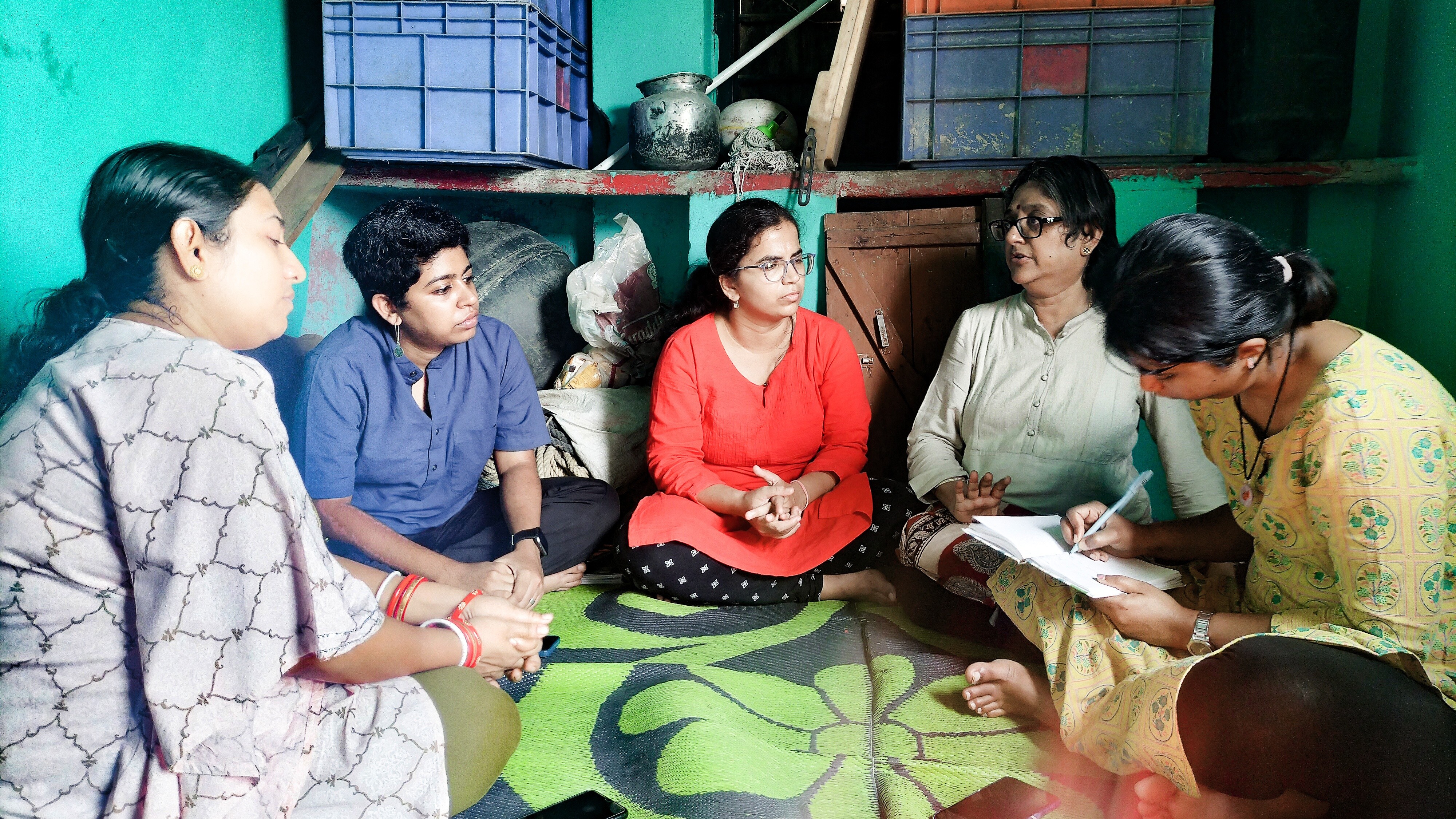
We visited field sites in Odisha to observe how Saathis engaged with households and to understand where gaps emerged in explaining and mapping household resilience.
2
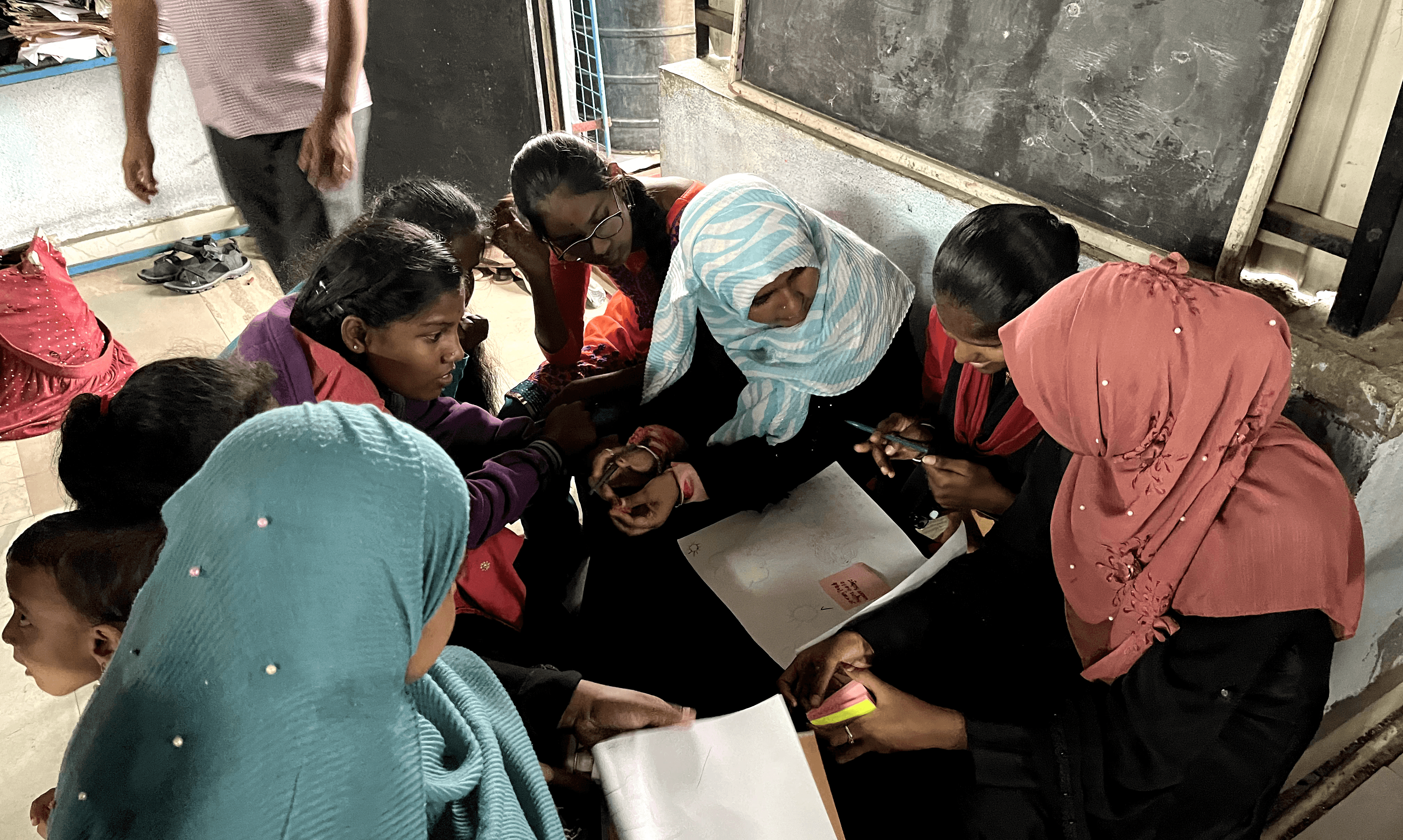
Explore & Identify
Through conversations with households and Saathis, we inferred what “resilience” meant to them and identified the enablers and barriers shaping how it was understood.
3
Ideate & Co-create
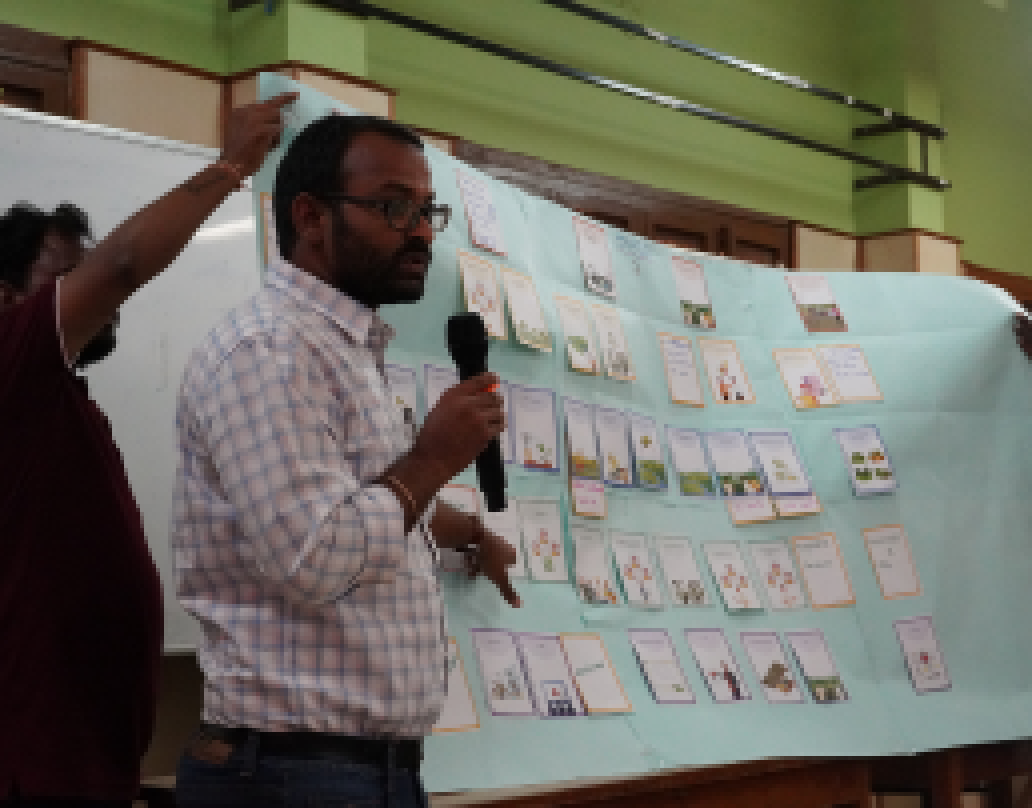
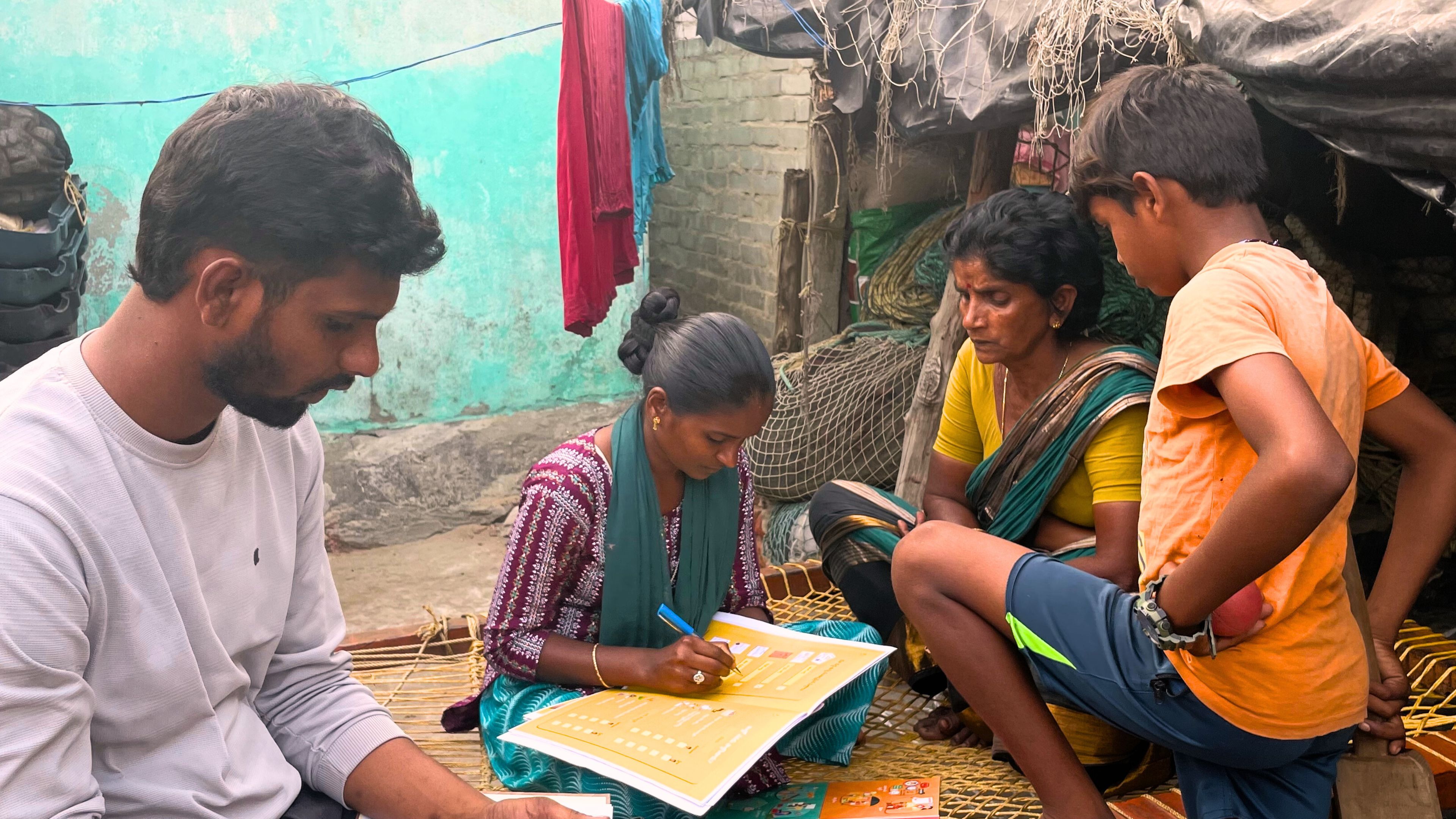
We worked closely with the program team, Saathis, and households to co-design simple, relatable tools that broke down resilience using formats that were easy to engage with.
4
Pilot & Testing
We tested the tools with 100+ households across Puri, Gulbarga, and Bharwani, using customised protocols to assess usability and efficacy for both Saathis and households.
Our Impact
The toolkit was built as a connected system, creating the right conditions for farmers to understand, decide, and adopt agroforestry sustainably.
98.8%
Households were comfortable interacting with Saathi about household resilience
52%
Households want to take action towards building a resilient home
Confidence
All Saathi’s believe this positively impacted their confidence
Ease of Interaction
Most Saathi’s believe this made it easier to interact with the household
Outcomes
Co-created tools and engagement systems that helped households make sense of economic resilience, participate more actively in conversations about their future, and engage with field teams more meaningfully over time.
Shared Understanding of Household Resilience
Households related economic resilience to daily life, making the concept familiar, discussable, and relevant within their own context.
Stronger Continuity in Household Engagement
Structured tools supported repeat conversations, enabling Saathis and households to build trust and progress discussions across visits.
Greater Household Data Ownership
Visual, offline tools helped households access, revisit, and reflect on their own information with confidence.
Economic Resilience Toolkit
Tools and Frameworks we used
Behaviour science tools and frameworks help us understand how people think and act, reveal what drives (or blocks) change, and design interventions that work in the real world.
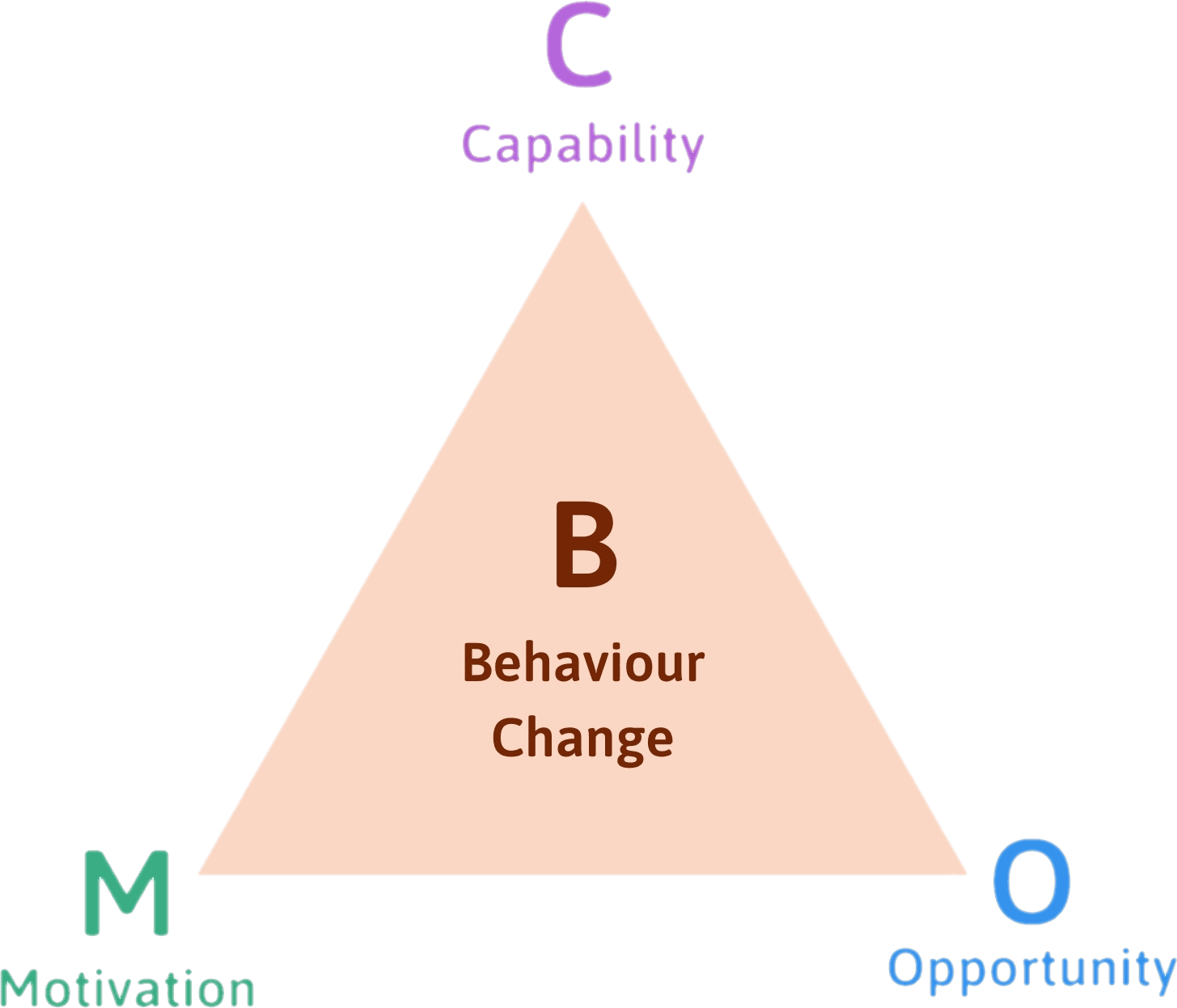
MINDSPACE Framework
We applied Defaults to make resilience mapping easier for households through simple, pre-structured formats. Commitment prompts encouraged families to note priorities and next steps, strengthening ownership of their actions. Explore how these levers can support your program with our template
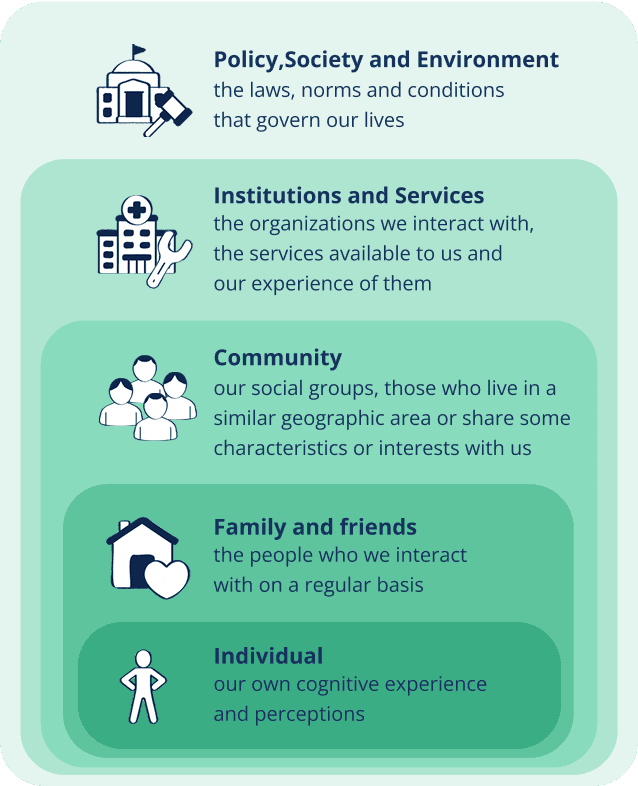
Stages of Change Model
We used a stage-wise approach to guide the behaviour change journey. A conversation starter supported Contemplation, the resilience journal enabled Preparation and Action through prompts and simple entries, and a training guide with repeated Saathi visits ensured Maintenance. Use this stage-wise mapping in your context with our template.
What They Say About Us
Working with SiS was refreshing & exciting. Their interactive and engaging approach made it easy to discuss complex concepts like 'resilience,' even when there is no local translation. The tools they developed facilitated open and honest conversations, leading to a deeper understanding and stronger outcomes.

Sandhra Jose
Project Manager